
Beijing Expands Sanctions List to Include Two Taiwanese Cabinet Ministers
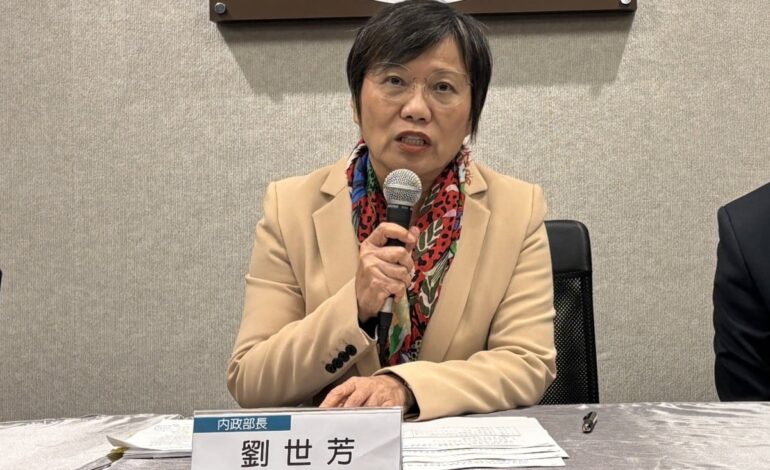
China has added two more senior Taiwanese officials to its sanctions list, intensifying pressure on what it describes as “stubborn Taiwan independence figures” and underlining the continued deterioration in cross strait relations. The move reflects Beijing’s growing willingness to use targeted political measures as tensions with Taipei remain high.
In a statement released on Wednesday, authorities in Beijing announced that Liu Shyh fang, Taiwan’s interior minister, and Cheng Ying yao, head of the island’s health and welfare authority, had been placed under sanctions. Both officials now join a group of Taiwanese political figures accused by Beijing of actively promoting policies that undermine China’s claim over the island.
China’s Taiwan Affairs Office said the two ministers had demonstrated a “clear separatist stance” through their public positions and administrative decisions. According to the statement, the sanctions are intended to send a strong warning to those within Taiwan’s leadership whom Beijing believes are pushing the island further away from eventual reunification.
The measures reportedly include restrictions on entry to the mainland, Hong Kong and Macau, as well as limits on business cooperation involving mainland entities. While such sanctions are largely symbolic, they carry political weight and are designed to publicly single out individuals Beijing considers responsible for worsening cross strait relations.
Liu Shyh fang has played a prominent role in domestic security and civil administration in Taiwan, while Cheng Ying yao has overseen health and social welfare policies during a period marked by public health challenges and social reform debates. Neither minister has publicly responded in detail to the sanctions announcement, though Taiwan’s government has consistently rejected Beijing’s accusations and maintains that its officials act in the interests of Taiwan’s democratic system.
Taipei’s leadership has repeatedly stated that decisions about the island’s future should be made by its people alone. Taiwan’s ruling authorities have condemned sanctions in previous cases as political intimidation that has no practical effect on governance or public support.
Beijing has increasingly relied on naming and sanctioning individuals as part of its broader strategy toward Taiwan. In recent years, officials, lawmakers and activists have been placed on similar lists as China seeks to deter actions it views as formal steps toward independence. Analysts say this approach allows Beijing to escalate pressure without resorting to military or large scale economic measures.
The latest move comes against a backdrop of heightened political sensitivity across the Taiwan Strait. Military activity around the island, diplomatic friction and rhetorical exchanges have all increased, raising concerns among regional observers about long term stability.
International reactions have been cautious, with many governments urging restraint and dialogue. While China frames the issue as an internal matter, Taiwan’s status remains one of the most sensitive geopolitical questions in East Asia.
For now, the addition of Liu and Cheng to the sanctions list reinforces a familiar pattern. Beijing continues to apply calibrated political pressure, while Taipei insists on defending its political autonomy. With neither side showing signs of compromise, cross strait relations appear set to remain tense in the months ahead.



