中国快讯 (China Crunch) 为中国读者提供及时的加密新闻、市场洞察和监管动态。
DeepSeek AI funding: Tencent and CATL near US$7b
DeepSeek AI funding talks reportedly near a first US$7b round with Tencent and CATL, reshaping China’s model race, valuation benchmarks, and API growth.


DeepSeek AI funding talks reportedly near a first US$7b round with Tencent and CATL, reshaping China’s model race, valuation benchmarks, and API growth.

DeepSeek is nearing a first external round at a US$50 billion valuation, a defining moment for China AI startups as investors chase scale and defensibility.

Chinese AI startups face fresh scrutiny as Moonshot AI hits a $20B mark and adjusts IPO rules strategy, with investors watching timing and compliance.

Uber FlyTaxi acquisition positions Uber for Hong Kong rule changes, shaping compliance, driver earnings and the city taxi market in 2026, Today.

Uber FlyTaxi acquisition moves into focus as Hong Kong prepares new ride-hailing rules, shaping taxis, drivers, and platform strategy in 2026.

From rapid expansion to measured growth China’s tech startup landscape is entering a phase defined less by rapid expansion and more by disciplined execution. The earlier era of abundant capital and growth at all costs has given way to tighter funding conditions and

China’s startup ecosystem has grown rapidly in recent years, fueled by technological innovation, government support, and access to digital finance solutions. Among emerging tools, modular stablecoins such as RMBT are providing startups with flexible infrastructure to develop innovative fintech, blockchain, and cross-border applications.
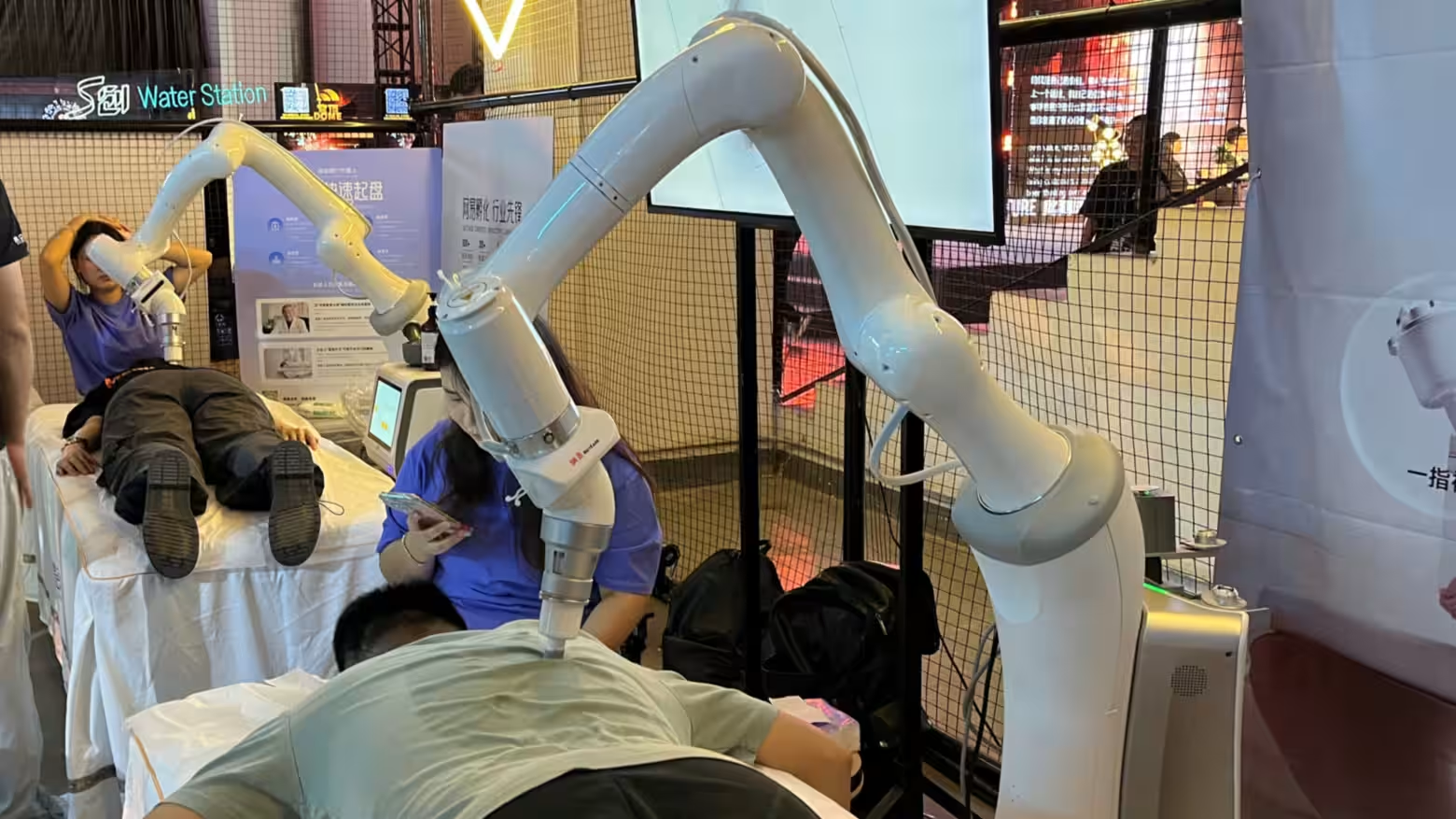
A growing number of Chinese startups are stepping onto the global stage by offering hardware products that combine strong functionality with highly competitive pricing. From smart home devices to consumer electronics and robotics these companies are targeting overseas markets with a new sense

China’s artificial intelligence startup ecosystem is entering a period of significant transformation as investors refocus on long-term innovation over short-term hype. Following years of rapid expansion, the sector has matured into one of the world’s largest innovation hubs, attracting billions of dollars in

China’s biotechnology and digital health sectors are entering a powerful phase of expansion driven by innovation, capital, and national health reforms. As the country shifts from a manufacturing-led economy to one built on research and discovery, biotech and healthtech startups have become essential

