Why Coast Guards, Not Warships, Are Shaping the Future of the South China Sea
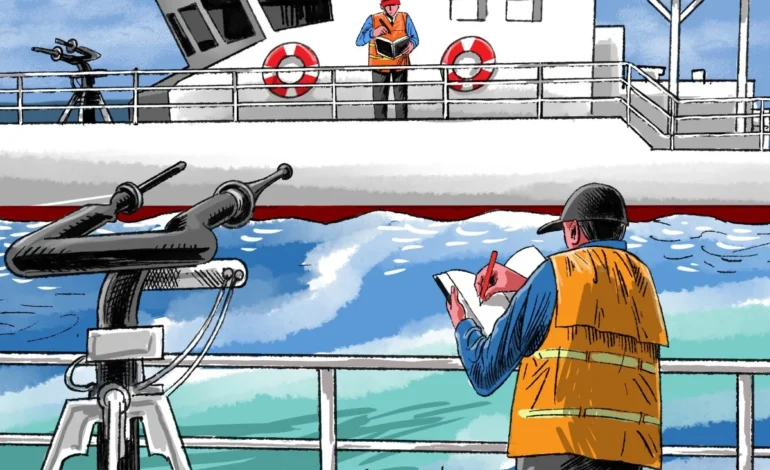
In the tense waters of the South China Sea, it is increasingly coast guard vessels rather than naval warships that are defining how disputes unfold. When ships from China and the Philippines encounter each other near Second Thomas Shoal, the scenes are often dramatic but tightly managed. There are no missiles launched, no emergency summits convened and no aircraft carriers rushing into position. Instead, these encounters are logged, reviewed and folded into routine operational reporting.
This pattern reflects a broader shift in how maritime competition is conducted in contested waters. Coast guards occupy a space between civilian law enforcement and military power. Their presence allows states to assert claims, enforce regulations and signal resolve without crossing the threshold that would trigger open military confrontation.
In recent years, China has expanded and professionalised its coast guard fleet, equipping it with large, heavily reinforced vessels capable of long deployments. These ships regularly patrol disputed areas, escort fishing fleets and challenge foreign vessels. The Philippines, while operating a smaller force, has also invested in modernising its coast guard, emphasising international law enforcement and transparency.
The result is a daily rhythm of low intensity encounters. Water cannons may be used, radio warnings exchanged and manoeuvres closely watched, but lethal force is avoided. Each side understands the rules of engagement and the political limits within which coast guards operate. This shared understanding helps prevent incidents from spiralling into crises that demand high level diplomatic intervention.
Warships still operate in the region, particularly during exercises or freedom of navigation operations, but they are now the exception rather than the norm in day to day encounters. Naval vessels are symbols of hard power. Their involvement raises the stakes immediately and narrows room for de escalation. Coast guards, by contrast, offer flexibility. They can push boundaries while preserving plausible deniability and political control.
Analysts describe this as a form of managed friction. States compete persistently but calibrate actions to avoid triggering alliance obligations or military retaliation. Incidents are treated as operational issues rather than political emergencies, allowing governments to maintain firm positions without being forced into dramatic responses.
This approach also reshapes diplomacy. By keeping confrontations at the coast guard level, capitals retain strategic ambiguity. Leaders can issue firm statements for domestic audiences while quietly relying on established protocols to contain tensions. The absence of shots fired is not accidental but the product of careful design.
The Philippines has increasingly publicised encounters to rally international support and frame incidents within international law. China, meanwhile, emphasises administrative control and routine enforcement. Both strategies rely on coast guards as the primary instrument.
Looking ahead, the prominence of coast guards suggests the South China Sea’s future will be defined less by sudden clashes and more by persistent, regulated pressure. Control will be contested through presence, documentation and endurance rather than decisive military action.
This does not mean the risk of escalation has disappeared. Miscalculations remain possible, especially as vessels operate in close proximity. But for now, coast guards are shaping a new normal, one where competition is constant, tensions are managed and the line between peace and conflict is patrolled daily by white hulled ships rather than grey warships.