Ikea to Shut Seven China Stores as Property Slump Forces Strategic Rethink
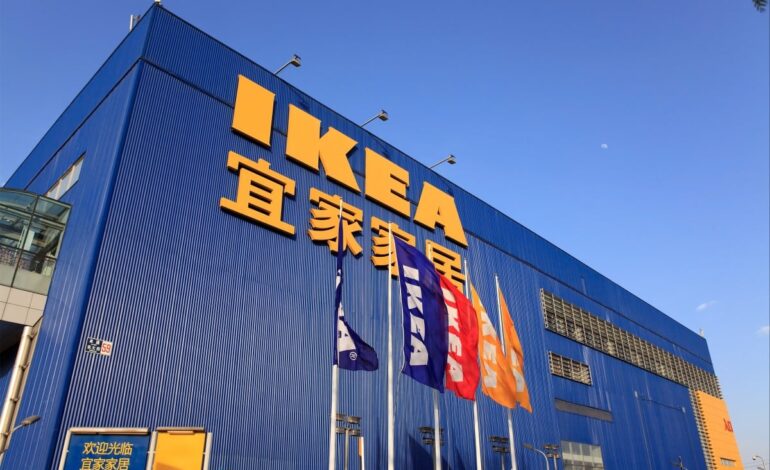
Furniture retailer Ikea is set to close seven of its stores in China, adjusting its footprint in response to prolonged weakness in the country’s property market and shifting consumer behaviour. The move highlights how even well established global brands are being forced to adapt as China’s housing slowdown reshapes demand for home related products.
The closures are expected to take place gradually and affect traditional large format stores, which have long been a core part of Ikea’s China strategy. The company did not specify the exact locations but said the decision followed a comprehensive review of performance, local market conditions and future growth potential.
China’s property sector has been under pressure for several years, with falling home sales, delayed projects and cautious buyers weighing on related industries. Furniture and home furnishings have been among the hardest hit, as fewer new homes and renovations translate directly into weaker demand. Retailers have also faced reduced foot traffic as consumers become more selective in their spending.
Against this backdrop, Ikea is shifting toward a more flexible expansion model. The company plans to open more than 10 small format outlets in key Chinese cities over the next two years. These stores are designed to be closer to urban consumers, offering curated product ranges, planning services and digital integration rather than the full warehouse style experience.
Company executives say the smaller outlets reflect changing lifestyles in China’s major cities, where space is limited and convenience increasingly matters. Younger consumers are less likely to travel long distances to suburban megastores and more inclined to browse, design and order online before making purchases. The new formats are intended to complement e commerce rather than compete with it.
Ikea entered China in the late 1990s and once symbolised the country’s rising middle class and appetite for Western lifestyle brands. For years, its large stores drew crowds seeking affordable furniture and aspirational home design ideas. However, the operating environment has changed. Domestic competitors have grown stronger, online platforms have expanded aggressively and consumer confidence has weakened amid economic uncertainty.
Analysts say the store closures do not signal a retreat from China but rather a recalibration. By reducing exposure to underperforming locations and investing in urban focused formats, Ikea aims to protect profitability while maintaining brand presence. Similar strategies have been adopted by other international retailers facing slower growth and higher operating costs.
The shift also reflects broader changes in China’s retail landscape. As the property market adjusts to a lower growth phase, businesses tied to housing are being forced to align expectations with more modest demand. Government efforts to stabilise real estate have yet to fully restore confidence, and many households remain cautious about big ticket purchases.
Ikea’s decision underscores how closely retail fortunes are linked to property cycles in China. Fewer home purchases mean fewer opportunities to sell furniture, appliances and decor. Even renovation activity has slowed as homeowners postpone upgrades.
Despite the near term challenges, Ikea remains committed to the Chinese market. Executives have said the country remains strategically important due to its scale and long term urbanisation trends. The focus, however, is shifting from rapid expansion to efficiency, localisation and digital integration.
As the company closes seven stores and rolls out smaller outlets, it is betting that flexibility rather than size will define the next chapter of retail success in China. The strategy reflects a recognition that growth in the world’s second largest economy now requires careful adaptation rather than assumptions of endless expansion.