China Says US Trade Pressure Has Accelerated Drive for Independent Innovation
China says years of trade friction and technology restrictions imposed by the United States have strengthened its determination to pursue independent innovation, with officials claiming progress in reducing reliance on foreign suppliers for critical technologies.
In commentary published during the first year of China’s new five year plan, the Communist Party’s official newspaper People’s Daily said external pressure had become a catalyst rather than an obstacle for domestic technological development. The paper argued that US trade measures and export controls had exposed structural weaknesses but also pushed Chinese industries to accelerate self reliance.
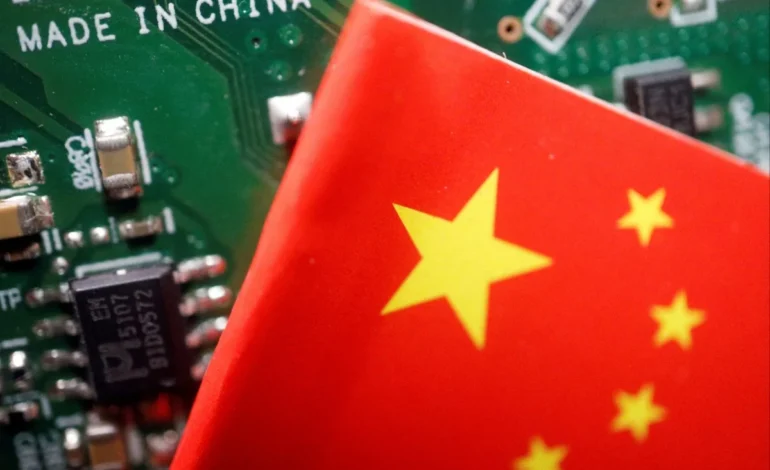
According to the commentary, China has identified and targeted a list of so called chokepoint technologies, areas where dependence on foreign inputs had previously limited development. These include advanced semiconductors, industrial software, high end manufacturing equipment and specialised materials. The paper said the number of such bottlenecks was gradually shrinking as domestic alternatives improved in performance and scale.
The article framed the past several years as a turning point. While trade disputes initially disrupted supply chains and increased costs for manufacturers, they also forced companies to invest more aggressively in research and development. Firms that once prioritised speed to market and cost efficiency were encouraged to focus on core technologies and long term capability building.
Chinese officials have repeatedly said that technology restrictions highlighted the risks of overreliance on external suppliers. In response, Beijing expanded policy support for innovation, including increased funding for basic research, tax incentives for high tech firms and stronger links between universities and industry. Local governments were also encouraged to build specialised industrial clusters focused on strategic sectors.
The commentary said results were becoming visible. Domestic chip designers have made advances in specialised processors, industrial automation systems have gained wider adoption, and local software platforms are increasingly used in manufacturing and logistics. While acknowledging that gaps remain at the highest end of some technologies, the paper argued that progress has been faster than many external observers expected.
The United States has maintained that export controls are necessary to protect national security and prevent sensitive technologies from being used for military purposes. However, Chinese officials argue that broad restrictions aimed at commercial technologies have had unintended consequences, including encouraging China to accelerate its push for technological independence rather than slowing it down.
Analysts say the narrative of pressure driven innovation has become central to China’s economic strategy. By framing external constraints as motivation, policymakers seek to sustain momentum for reform and investment even as growth slows and global conditions remain uncertain. The emphasis on innovation is also closely tied to China’s longer term goal of upgrading its industrial base and moving up global value chains.
At the same time, the commentary struck a measured tone, warning against complacency. It said independent innovation does not mean isolation and stressed that China remains open to international cooperation where conditions allow. The goal, it said, is not complete separation from global technology networks but greater resilience and choice.
As the new five year plan unfolds, innovation is expected to remain a central theme of economic policy. Officials argue that narrowing the list of chokepoint technologies is essential for sustaining growth, protecting economic security and navigating an increasingly fragmented global trading system shaped by strategic competition.