US Allies Saudi Arabia and UAE Risk Regional Split as Competing Middle East Visions Collide
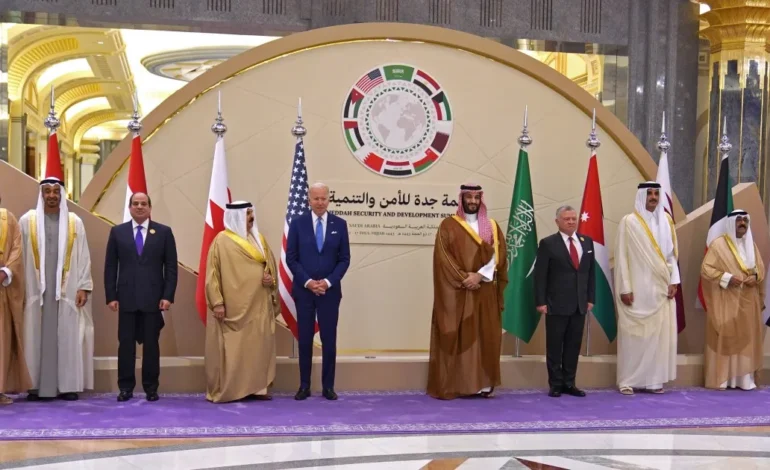
Saudi Arabia and the United Arab Emirates, long seen as closely aligned partners in Middle Eastern geopolitics, are increasingly drifting apart as their strategic priorities diverge, raising the risk of a broader regional split. Analysts say a new political order is emerging in which Abu Dhabi backed forces are clashing with governments and factions supported by Riyadh, exposing underlying tensions between the two US allies.
For years, Saudi Arabia and the UAE coordinated closely on security, regional diplomacy and opposition to political movements they viewed as destabilising. That alignment helped shape outcomes in conflicts from Yemen to North Africa. However, recent developments suggest the two countries are now pursuing distinct visions for regional influence, governance and security.
In several parts of the Middle East, groups supported by the UAE have come into direct conflict with governments or factions backed by Saudi Arabia. The most visible examples have emerged in fragile states where power is fragmented and external backing plays a decisive role. Analysts say Abu Dhabi has increasingly favoured supporting local strongmen, separatist movements or security focused actors that align with its emphasis on stability and control. Riyadh, by contrast, has often prioritised maintaining formal state structures and backing internationally recognised governments.
This divergence reflects differing threat perceptions. Saudi Arabia, led by Saudi Arabia, remains focused on border security, regime stability and countering rivals that could threaten its immediate neighbourhood. The UAE, represented by United Arab Emirates, has taken a more expansive view, seeking influence along key trade routes, ports and strategic corridors stretching from the Red Sea to the Horn of Africa.
The result is a growing number of flashpoints where the two approaches collide. In some cases, Abu Dhabi backed separatist or semi autonomous groups have challenged authorities aligned with Riyadh, complicating peace efforts and weakening already fragile states. Critics argue this competition risks prolonging conflicts and creating new fault lines across the region.
Both governments publicly downplay the idea of a rift, emphasising continued cooperation on major issues and their shared partnership with the United States. Yet regional observers note that coordination has become more selective, with each side increasingly acting independently. This shift is being closely watched in Washington, where policymakers have long relied on Saudi Emirati alignment to advance regional strategies.
The changing dynamic also reflects broader regional trends. As US engagement in the Middle East becomes more selective, regional powers are asserting their own agendas more openly. This has created space for allies to compete as well as cooperate, reshaping traditional alliances.
For smaller states caught in the middle, the emerging split presents difficult choices. Aligning with one camp can bring resources and protection, but also risks alienating the other. In volatile environments, this competition may deepen fragmentation rather than encourage compromise.
Analysts warn that unless Saudi Arabia and the UAE find ways to reconcile their approaches, the rivalry could undermine collective efforts to stabilise conflict zones. What was once a coordinated front is now showing signs of strategic competition, with consequences that could reverberate across the Middle East.
As a new order takes shape, the relationship between Riyadh and Abu Dhabi remains pivotal. Whether their competing visions lead to managed rivalry or open confrontation will play a major role in determining the region’s political trajectory in the years ahead.