Dreame showcases AI powered home appliances as smart living vision takes shape
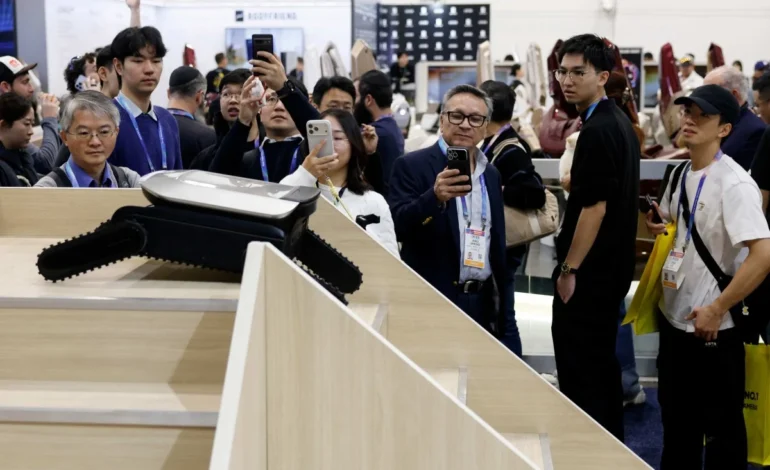
Chinese household appliance maker Dreame Technology is placing a major bet on artificial intelligence as it seeks to redefine how everyday household chores are handled, unveiling a wide range of new smart products at the annual Consumer Electronics Show in Las Vegas.
At this year’s CES, Dreame introduced more than 20 new AI enabled appliances, offering a glimpse into a future where cleaning, maintenance and routine household tasks are increasingly managed by intelligent machines rather than people. The launch highlights how Chinese consumer technology firms are moving beyond hardware manufacturing to compete in software driven smart home ecosystems.
Dreame, best known globally for its robot vacuum cleaners, used the showcase to demonstrate how artificial intelligence can help devices better understand their surroundings and adapt to user behavior. The company said its latest products are designed to make decisions in real time, adjusting cleaning routes, power usage and task priorities based on room layout, floor type and levels of dirt.
Executives described a vision in which smart appliances do not simply follow preset commands but actively learn how a household operates. By combining sensors, computer vision and large scale data processing, Dreame aims to reduce the need for human intervention in daily chores, allowing users to spend less time managing devices and more time on other activities.
The push reflects broader trends across China’s consumer electronics sector, where companies are integrating artificial intelligence into everything from kitchen appliances to air purifiers. As competition intensifies in the robot vacuum market, differentiation increasingly depends on software intelligence rather than basic mechanical performance.
Industry analysts note that Dreame’s aggressive rollout comes as global demand for smart home products continues to rise, driven by urban lifestyles, aging populations and growing acceptance of automation. Consumers are no longer satisfied with devices that simply turn on and off remotely. They expect appliances to anticipate needs, operate efficiently and integrate seamlessly with other smart systems in the home.
Dreame’s AI focused strategy also aligns with China’s wider ambitions to lead in applied artificial intelligence. Domestic firms benefit from large user bases and rapid product iteration cycles, allowing them to refine algorithms through constant real world use. This gives companies like Dreame an advantage in training systems to recognize complex household environments.
However, challenges remain. Privacy concerns, data security and interoperability between different smart home platforms continue to influence consumer trust. Dreame said it is investing heavily in data protection and local processing capabilities to ensure sensitive household information is handled securely.
The company is also expanding its overseas footprint, particularly in Europe and North America, where expectations around quality, safety and user experience are high. Success in these markets will depend on how well Dreame adapts its AI systems to different housing styles and consumer habits.
Still, the scale of Dreame’s CES showcase underscores its confidence that artificial intelligence will become central to the next generation of home appliances. As smart devices take on a growing share of household work, companies that combine reliable hardware with adaptive intelligence are positioning themselves at the forefront of how modern homes will function in the years ahead.