EU clears path for landmark Mercosur trade pact after decades of negotiations
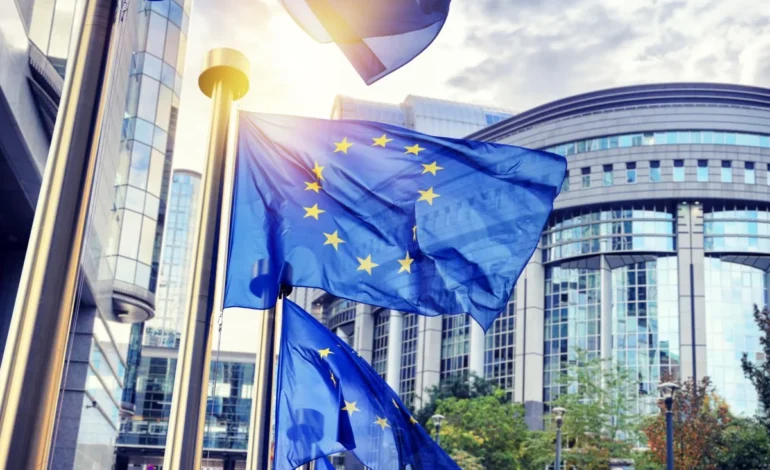
The European Union has agreed to move forward with the long delayed Mercosur free trade agreement, opening the door to what officials describe as the world’s largest free trade zone after more than 25 years of negotiations.
A majority of EU member states approved the decision on Friday, allowing the bloc to sign the deal with the South American trade grouping Mercosur, which includes Brazil, Argentina, Uruguay and Paraguay. The agreement would create a vast economic area linking more than 700 million people across Europe and Latin America.
The pact aims to eliminate or reduce tariffs on a wide range of goods, deepen investment ties and improve market access on both sides. European exporters stand to benefit from lower duties on cars, machinery, chemicals and pharmaceuticals, while Mercosur countries are expected to gain improved access for agricultural products such as beef, poultry, sugar and soy.
EU officials said the agreement sends a strong signal at a time of rising protectionism and geopolitical uncertainty. By advancing the deal, Brussels is seeking to reinforce its commitment to open trade, diversify supply chains and strengthen strategic partnerships beyond Europe’s immediate neighbourhood.
Negotiations on the EU Mercosur pact began in the late 1990s but were repeatedly stalled by political changes, economic crises and disagreements over environmental standards. Concerns over deforestation in the Amazon and the impact of increased agricultural imports on European farmers were among the most contentious issues.
In recent years, both sides have worked to address these concerns through additional commitments on sustainability, climate protection and labour standards. EU officials argue that the agreement includes safeguards designed to uphold environmental obligations and ensure that trade expansion does not come at the expense of climate goals.
Supporters of the deal say it offers significant economic and strategic benefits. For Europe, closer ties with Mercosur could reduce reliance on a narrow set of trading partners and provide new opportunities for businesses facing slower growth at home. For South American economies, the agreement promises greater access to one of the world’s largest consumer markets and a boost to foreign investment.
However, opposition has not disappeared. Farmers’ groups in several EU countries remain worried about competition from South American agricultural imports, while environmental organisations continue to question whether enforcement mechanisms will be strong enough to protect sensitive ecosystems.
The agreement must still go through formal legal procedures, including ratification by EU institutions and, in some cases, national parliaments. This process could take years and may face political hurdles in member states where opposition remains strong.
Despite these challenges, the decision to proceed marks a turning point after decades of uncertainty. It reflects a growing sense within the EU that delaying the deal further could weaken Europe’s influence in Latin America, where other global powers have been expanding their economic presence.
If fully implemented, the EU Mercosur pact would rank among the most significant trade agreements ever concluded by the bloc. For both regions, it represents an attempt to anchor economic relations in rules based cooperation at a time when global trade is becoming increasingly fragmented.