






中国快讯 (China Crunch) 为中国读者提供及时的加密新闻、市场洞察和监管动态。
Hong Kong lifts resale curbs for Tai Po survivors
Hong Kong flat resale rules were eased for Tai Po fire survivors, allowing earlier sales under a government buy-back plan, as officials issue an Update.
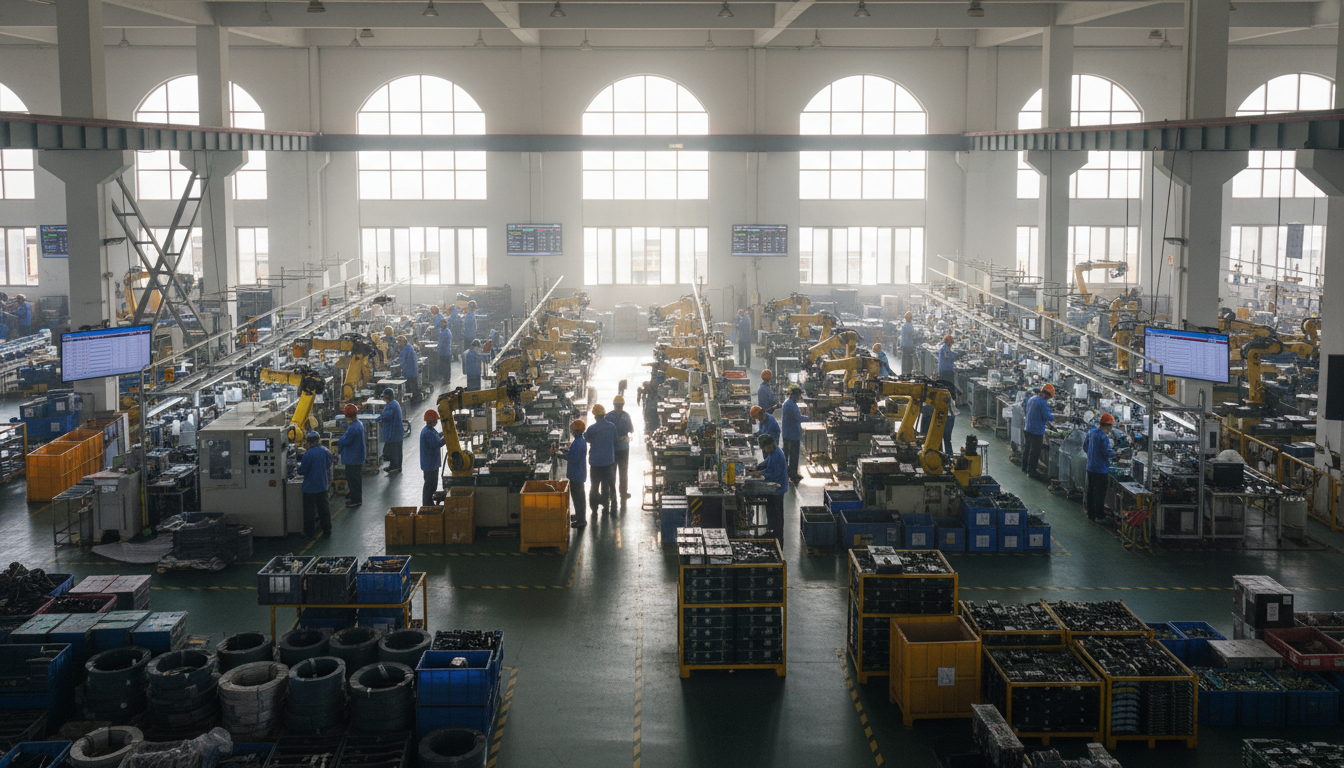
After Trump’s visit, Beijing signals a China manufacturing push, tying policy to the real economy and the manufacturing sector as officials stress stability.
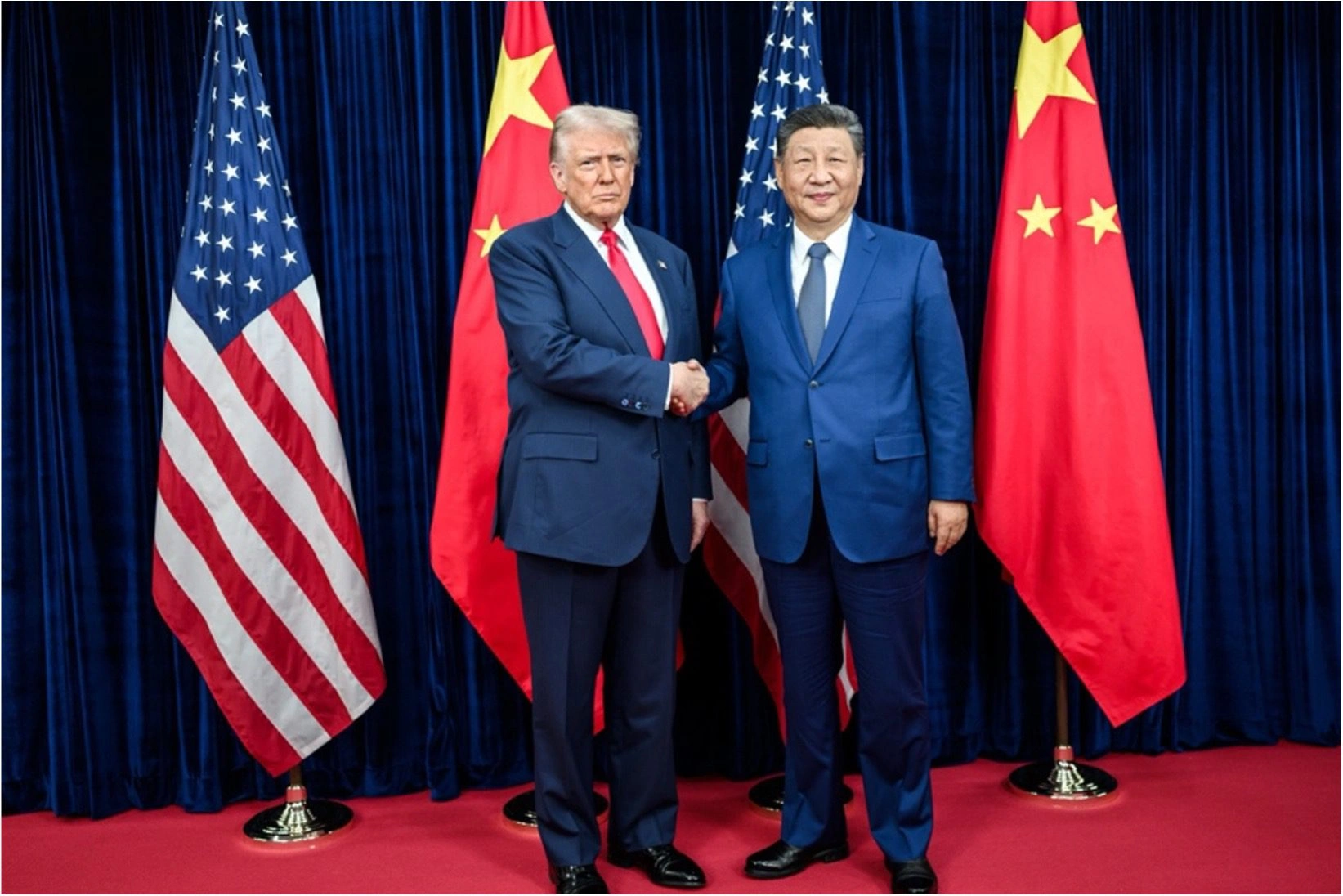
Donald Trump’s China visit is not only about tariffs, rare earths, Boeing orders, Taiwan, or energy security. It also points to a deeper shift in how the United States and China may manage trade in a more digital, regulated, and politically sensitive world.
Beijing is advancing the China Arbitration Law to court global cases, testing trust, enforcement, and investor confidence as reforms move ahead.
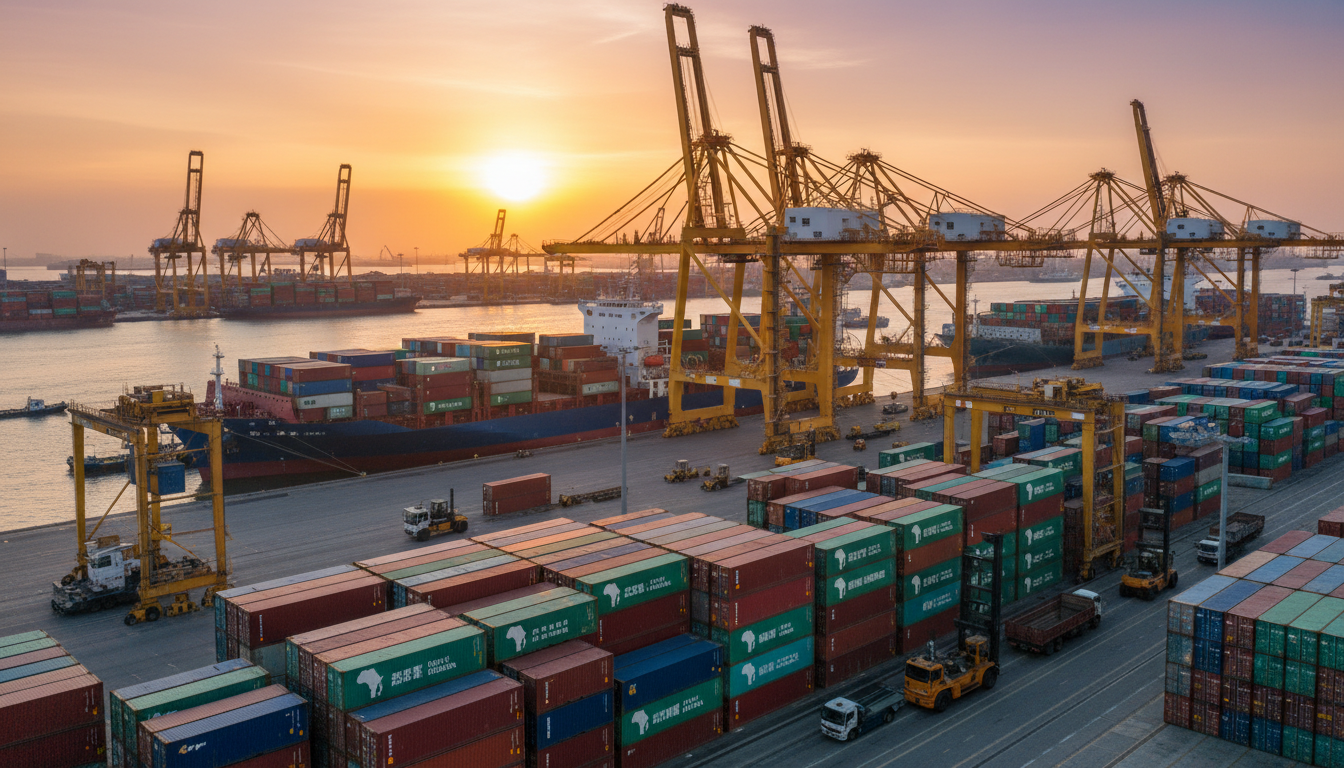
China tariff policy now widens duty-free access for more African goods, but exporters still face logistics, rules, and price pressures that keep gaps wide.
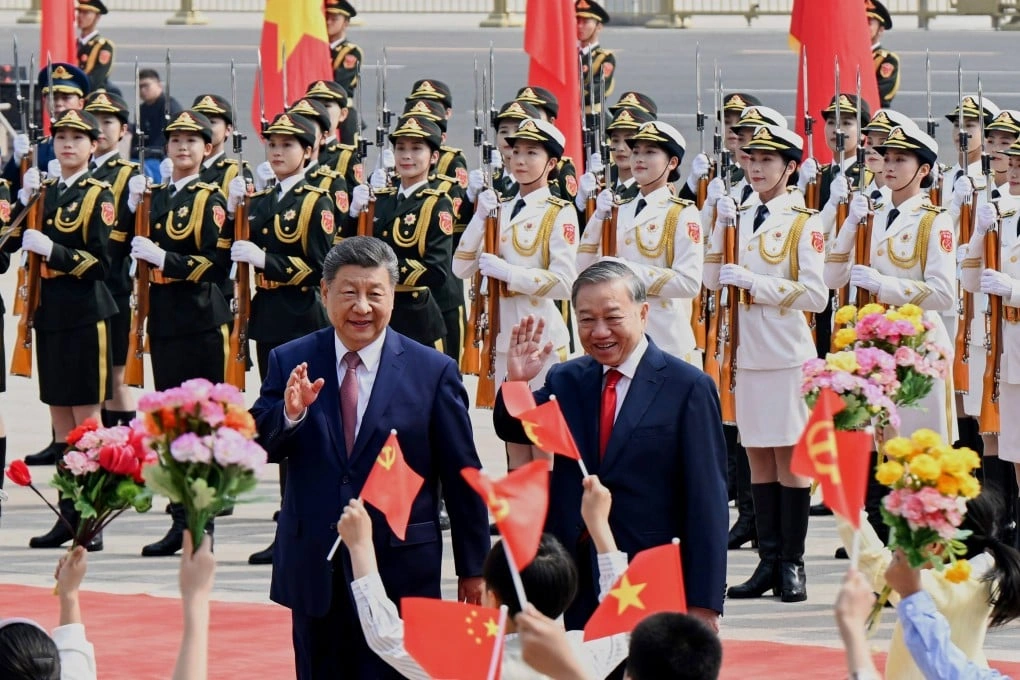
China and Vietnam have reaffirmed their commitment to managing disputes in the South China Sea, signaling a cautious step toward reducing tensions in the contested waters. The agreement was outlined in a joint communiqué following high level talks between the two nations. During
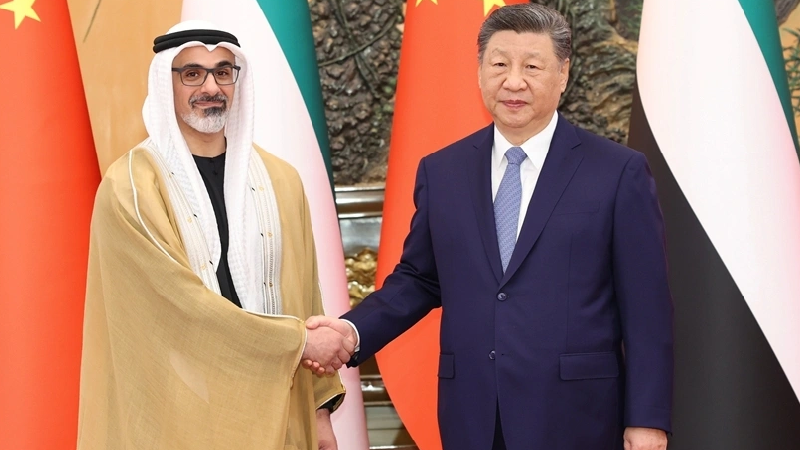
Xi Jinping has outlined a four point proposal aimed at promoting peace and stability in the Middle East during a meeting with Sheikh Khaled bin Mohamed bin Zayed Al Nahyan in Beijing. The initiative reflects China’s growing diplomatic engagement in the region amid
China mandates internal AI ethics reviews, tightening AI regulation and tech policy China as firms prove controllability, safety, and governance compliance.
Beijing’s latest Greater Bay Area tour sharpens the push for Hong Kong integration, with new policy signals for mobility, finance, and the Hong Kong economy.
China has moved to consolidate its influence in Latin America by strengthening political and economic ties with Cuba and Uruguay, while adopting a markedly firmer stance toward Panama amid a growing dispute over strategic infrastructure. The contrasting approaches underline Beijing’s efforts to secure