Northern China’s Farmers Bear the Burden of Cleaner Air as Heating Costs Soar
In villages across northern China, winter has brought not only freezing temperatures but also mounting hardship for rural families struggling to heat their homes. While air quality in major cities has improved significantly in recent years, many farmers say the cost of cleaner heating has left them facing the cold with few affordable options.
During the day, temperatures in large parts of northern China regularly remain below zero in winter. For generations, rural households relied on coal or wood-burning stoves to keep warm. That changed as authorities pushed aggressively to cut pollution, replacing coal with cleaner fuels such as natural gas and electricity as part of a nationwide campaign to improve air quality, particularly around Beijing.
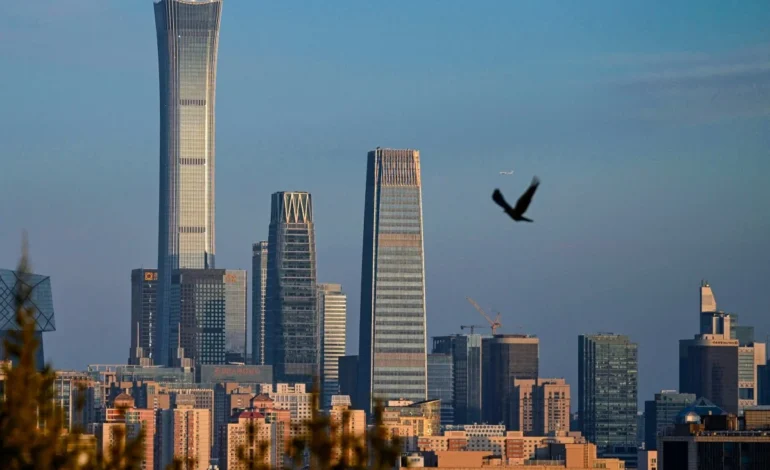
The policy has delivered visible results. Smog levels in northern cities have fallen sharply compared with a decade ago, and public health experts credit the shift with reducing respiratory illnesses. However, the benefits have not been shared evenly. In many rural areas, households say they cannot afford the higher costs associated with cleaner heating systems.
Farmers interviewed in villages across Hebei and other northern provinces say electricity and gas bills now consume a large share of their winter income. Some households have limited access to subsidies, while others say support does not cover the full cost of heating through the coldest months. As a result, many residents limit heating to a single room or turn it on only for short periods, enduring long hours in unheated spaces.
Elderly villagers and families with young children are among the most affected. Residents describe wearing multiple layers indoors, sleeping early to stay warm, or relying on electric blankets while keeping living areas cold. For those living on modest farming incomes or pensions, the choice often comes down to paying for heat or cutting back on food and other essentials.
Local officials say subsidies and assistance programmes are in place, but acknowledge that implementation varies widely. In some areas, households receive partial support for gas or electricity, while in others the aid is limited or delayed. Rural residents argue that policies designed with urban households in mind do not always reflect the realities of village life, where incomes are lower and homes are less insulated.
Experts say the situation highlights a gap between environmental goals and social policy. While cleaner heating is essential for long-term public health, analysts warn that without adequate financial support, rural populations risk being left behind. They argue that energy transitions must consider affordability alongside environmental benefits, particularly in regions with harsh winters.
The pressure on farmers has also been compounded by broader economic challenges. Rising input costs, fluctuating crop prices, and slower rural income growth have reduced households’ ability to absorb higher energy bills. Some villagers say they have reverted to burning wood or other materials despite restrictions, raising concerns about safety and compliance.
Environmental researchers note that rural heating remains one of the most difficult aspects of China’s clean air push. Unlike cities, where district heating systems and higher incomes make transitions easier, villages require tailored solutions such as better insulation, more generous subsidies, or alternative technologies suited to rural conditions.
As winter deepens, the contrast is stark. Urban residents enjoy clearer skies and warmer homes, while many farmers endure the cold in silence. Villagers say they support cleaner air and understand the need to reduce pollution, but argue that the transition should not come at the cost of basic comfort and health.
The experience of northern China’s farmers underscores a central challenge facing climate and environmental policy. Success in reducing pollution can carry hidden social costs if support systems fall short. For rural households bracing against sub-zero temperatures, the promise of clean air feels distant when staying warm has become a daily struggle.