China Turns to Bilateral Deals as EU Trade Pressure Builds
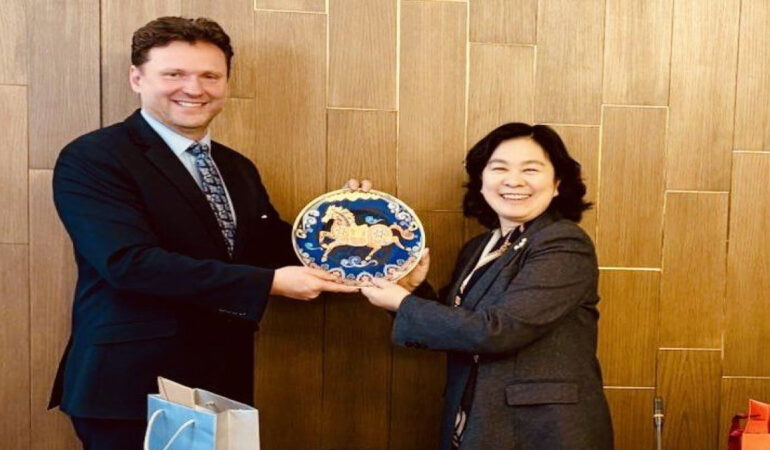
China has intensified direct engagement with individual European Union member states as trade tensions with Brussels deepen, shifting focus away from bloc-level dialogue toward targeted economic and diplomatic outreach. In recent weeks, Chinese officials have accelerated bilateral talks with capitals seen as pragmatic or economically exposed, offering expanded market access, eased visa policies, and symbolic gestures aimed at resetting strained ties. The approach reflects Beijing’s assessment that the European Commission is entering a tougher phase on trade enforcement, with greater scrutiny on Chinese exports, industrial subsidies, and supply chain dependencies. By moving early and selectively, Chinese policymakers appear intent on cushioning the impact of forthcoming EU measures while building political goodwill in countries where domestic industries benefit from Chinese demand. The outreach has included renewed signals of openness in agriculture, aviation, and services, sectors where European exporters face slowing global growth and limited alternatives.
Diplomatic engagement has also taken on a more visible tone, with high level meetings and carefully staged exchanges designed to signal respect for national sovereignty and economic partnership. In Central and Southern Europe, where growth concerns and fiscal pressures are more acute, Chinese officials have emphasized stability and long term cooperation rather than strategic alignment. These efforts coincide with European unease over transatlantic uncertainty, particularly as debates intensify around industrial policy, green subsidies, and security linked trade controls. By positioning itself as a predictable commercial partner, Beijing is seeking to contrast its message with what it frames as regulatory unpredictability from Brussels. Officials involved in the outreach suggest the aim is not to dismantle EU unity outright but to encourage a more fragmented response to future trade actions, reducing the likelihood of coordinated escalation.
The strategy underscores a recalibration in China’s Europe policy after years of deteriorating ties driven by disputes over technology, human rights, and market access. While Brussels has pushed for risk reduction and tighter oversight of Chinese investment, Beijing has increasingly argued that economic decoupling would harm European competitiveness. Bilateral diplomacy allows China to tailor incentives to national priorities, whether reopening agricultural markets, supporting flagship industrial deals, or reviving stalled cooperation frameworks. At the same time, Chinese diplomats have privately criticized what they describe as ideologically driven policy making at the EU level, urging member states to defend national economic interests. The outcome of this push will shape the trade environment in the coming year as Europe balances internal cohesion against divergent economic realities across the bloc.