Europe’s EV Shift Revives Overseas Momentum for Chinese Carmakers
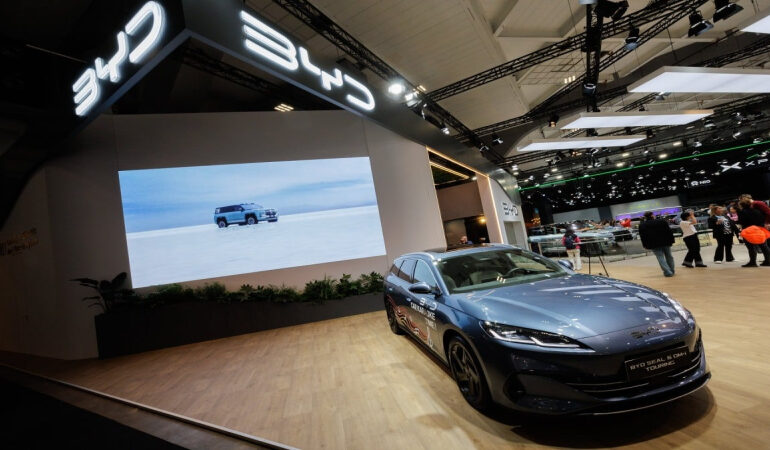
Chinese electric vehicle manufacturers are regaining confidence in overseas markets as Europe’s commitment to electrification creates more favorable conditions for foreign entrants. With domestic demand showing signs of moderation, companies such as BYD and Leapmotor are increasingly looking abroad to sustain growth and reinforce their global presence. Industry observers note that Europe’s relatively strong EV adoption in 2025 has provided a timely outlet for Chinese producers seeking to offset pressures at home. The region’s policy driven transition toward low emission transport has narrowed competitive gaps, particularly in segments where cost efficiency and battery technology play decisive roles. For Chinese manufacturers, the shift offers not only sales opportunities but also a platform to build brand recognition in mature automotive markets.
Analysts argue that Europe’s stance toward electrification aligns well with the strengths of Chinese EV makers, which have invested heavily in battery supply chains, software integration, and manufacturing scale. These advantages have enabled them to compete aggressively on pricing while maintaining acceptable margins. While regulatory scrutiny and trade measures remain a factor, the overall market environment has become more predictable compared with earlier periods marked by abrupt policy changes. European consumers, facing rising fuel costs and stricter emissions standards, have shown increasing openness to new EV brands. This dynamic has encouraged Chinese firms to accelerate showroom rollouts, partnerships with local distributors, and participation in major auto exhibitions to enhance visibility.
The renewed overseas push also reflects a strategic recalibration rather than a short term response. Chinese automakers are refining their export strategies to focus on product differentiation and compliance with regional standards. Models tailored to European safety, design, and performance expectations are gradually replacing earlier export oriented offerings. This transition suggests a longer term commitment to international markets rather than opportunistic sales. At the same time, Europe serves as a testing ground for how Chinese brands can operate under stricter regulatory and consumer scrutiny, a process that could strengthen their competitiveness in other advanced economies.
Despite improving prospects, challenges remain. Market penetration is unlikely to be rapid, as established European and global automakers continue to defend market share through pricing adjustments and expanded EV lineups. Political sensitivities around industrial policy and supply chain dependence also persist. Even so, the combination of Europe’s electrification drive and China’s manufacturing capabilities has created a window for gradual expansion. As global EV adoption becomes more uneven across regions, Europe’s role as a relatively open and growing market is reshaping how Chinese carmakers approach their next phase of international growth.