China Deepens Africa Trade as Export Pressures Mount
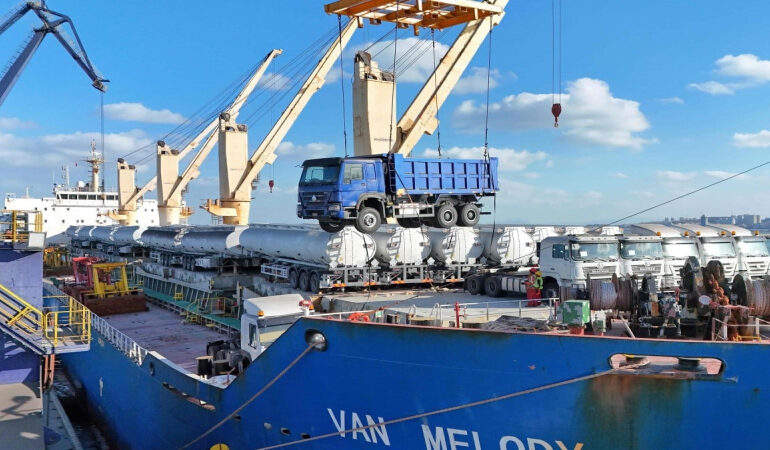
China sharply expanded exports to Africa last year, widening its trade surplus with the continent to a record level as Beijing accelerates efforts to offset mounting pressure from the United States. Trade data shows Chinese shipments to African markets rose at a far faster pace than African exports to China, reflecting both strong demand for manufactured goods and a strategic redirection of Chinese trade flows. As higher US tariffs weigh on access to Western markets, Africa has emerged as a key outlet for Chinese products ranging from consumer goods to industrial equipment. The surge highlights how geopolitical friction is reshaping global trade patterns, with China increasingly leaning on developing regions to sustain export momentum. For many African economies, Chinese goods remain competitively priced and readily available, reinforcing long standing commercial ties even as trade imbalances deepen.
The widening trade gap underscores structural asymmetries in China Africa commerce. While African exports to China have continued to grow, they remain concentrated in commodities and raw materials, limiting the pace at which trade can balance. Chinese exports, by contrast, span a broad range of higher-value manufactured goods, machinery and capital equipment that African economies need but often cannot produce domestically. Analysts note that some of the increased flows may also reflect Chinese firms operating within Africa, importing components and equipment to support local projects and infrastructure development. At the same time, commodity price volatility has constrained the value growth of African shipments to China. The result is a persistent and expanding surplus for Beijing that highlights the challenges African countries face in moving up the value chain.
Beyond commercial dynamics, the trade expansion carries strategic implications for China’s external economic policy. As relations with Washington remain tense, Beijing is reinforcing economic partnerships across the Global South to reduce exposure to tariff risks and market concentration. Africa’s large population, rising consumption and infrastructure needs make it a natural focus for this diversification strategy. However, the growing imbalance has also revived debates within Africa about dependency, industrial development and the long term sustainability of trade ties dominated by imports. For China, maintaining access to African markets is critical for export resilience. For African governments, the challenge is converting trade volume into broader economic transformation. The latest figures illustrate both the depth of China Africa integration and the unresolved questions surrounding its long term impact.