China and Uruguay Reset Strategic Economic Cooperation Amid Regional Tension
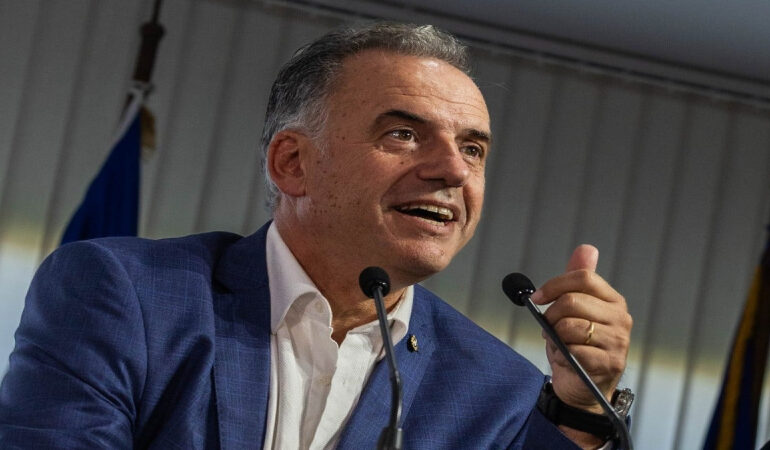
China is preparing for a high profile state visit that underscores its evolving diplomatic and commercial engagement in Latin America, with Xi Jinping set to host Uruguayan President Yamandu Orsi in Beijing from February 1 to 7. The trip is Beijing’s first welcome to a Latin American head of state since a major security development in Venezuela unsettled the broader region, highlighting China’s intention to anchor its ties through economic and strategic collaboration rather than transactional diplomacy. Official Chinese state media confirmed the visit at the invitation of Xi, reflecting longstanding bilateral cooperation dating back decades and a shared interest in maintaining constructive ties amid shifting geopolitical currents. The weeklong agenda is expected to focus heavily on deepening market access and trade flows as Uruguay seeks to balance stronger commercial links with China while remaining attentive to internal dynamics in the South American trade bloc Mercosur.
Bilateral economic integration, particularly in commodities where China has been Uruguay’s largest export destination for more than ten years, sits at the core of discussions. China’s imports of beef, soybeans, cellulose, and other primary products have consistently provided Montevideo with a stable corridor for revenue and market diversification, facilitating deeper structural interdependence between the two economies. Business leaders accompanying Orsi’s delegation include representatives from more than seventy companies and industry chambers, signaling private sector intent to capitalize on renewed strategic cooperation. This broader commercial mission reflects China’s long term pattern of embedding itself in commodity markets and supply chains in the region, creating durable economic links that extend well beyond bilateral seasonal trade. Successive Chinese leadership has treated relations with Uruguay not as episodic engagements but as part of a broader China-Latin America cooperative framework that supports multilateralism and shared growth.
The timing of the visit also carries diplomatic weight. It arrives on the heels of significant regional disruptions, including recent political developments in Venezuela that have reverberated across Latin American capitals. Against this backdrop, China’s hosting of Orsi underscores its preference for steady state-level engagement and economic diplomacy even as external pressures and regional balances shift. Uruguay’s leadership faces the challenge of strengthening ties with its largest Asian partner without destabilizing its relations within Mercosur or appearing to align too closely with external geopolitical actors. For China, reinforcing bilateral economic corridors with Uruguay offers a way to sustain influence through tangible economic cooperation while avoiding overt entanglement in regional political frictions. The outcome may shape how Beijing calibrates future visits and trade negotiations across Latin America where strategic interests and commercial incentives increasingly intersect.