China Extends Aviation Pressure as Japan Travel Warnings Deepen
China is escalating its use of mobility related measures as a tool of diplomatic signaling, with authorities renewing warnings against travel to Japan during the Lunar New Year while major airlines extend flexible cancellation policies on Japan bound flights. The advisory follows months of friction triggered by comments on Taiwan made by Japanese Prime Minister Sanae Takaichi, an issue Beijing continues to treat as a core sovereignty concern. Framed publicly around safety risks and natural disasters, the warning arrives during China’s longest annual holiday period, when outbound travel typically peaks. The timing reinforces the perception that travel guidance has become an extension of foreign policy messaging rather than a purely consular matter, particularly in politically sensitive bilateral relationships.
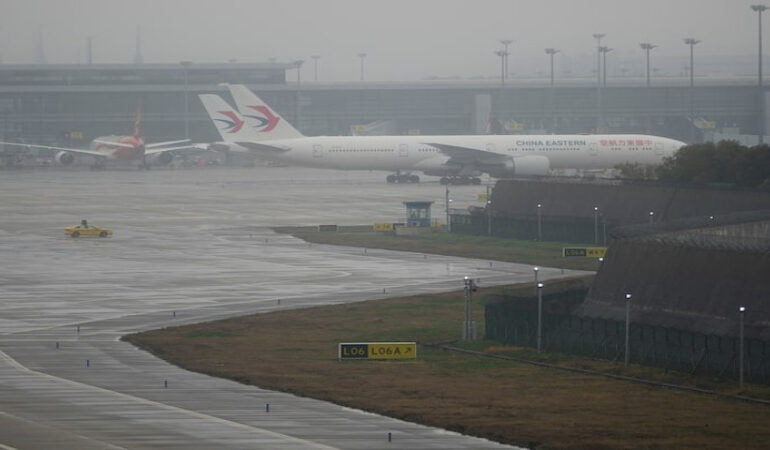
Operationally, the impact is already visible in the aviation sector. Flag carriers including Air China, China Eastern Airlines, and China Southern Airlines have extended free change and cancellation policies for Japan related routes through October. These measures were first introduced late last year and have now been prolonged, signaling expectations of sustained demand disruption. Airlines are absorbing near term revenue pressure to preserve customer goodwill, but the extended horizon suggests planners are factoring political risk into route management rather than treating the situation as temporary volatility.
For Japan, reduced Chinese travel carries uneven economic consequences. While overall inbound tourism remains strong due to visitors from other regions, Chinese travelers have historically been high spending contributors in retail and regional tourism hubs. A sharp decline in arrivals highlights how diplomatic tension can selectively reshape economic flows without broad based sanctions. For Beijing, aviation and tourism offer leverage that is visible but reversible, allowing pressure to be applied without formal trade escalation. This approach mirrors earlier episodes where consumer behavior and logistics became instruments of signaling rather than explicit policy retaliation.
More broadly, the episode reflects a structural shift in how regional diplomacy is conducted. Travel, airlines, and tourism are no longer neutral channels insulated from politics but variables that can be adjusted to convey dissatisfaction. As East Asia’s geopolitical environment grows more fragmented, such indirect measures are likely to become more frequent. The extension of airline flexibility deep into 2026 suggests that normalization may take time, with businesses increasingly required to operate under prolonged diplomatic uncertainty rather than short lived disruptions.