Beijing Warns Over Australia’s Plan to Reclaim Darwin Port
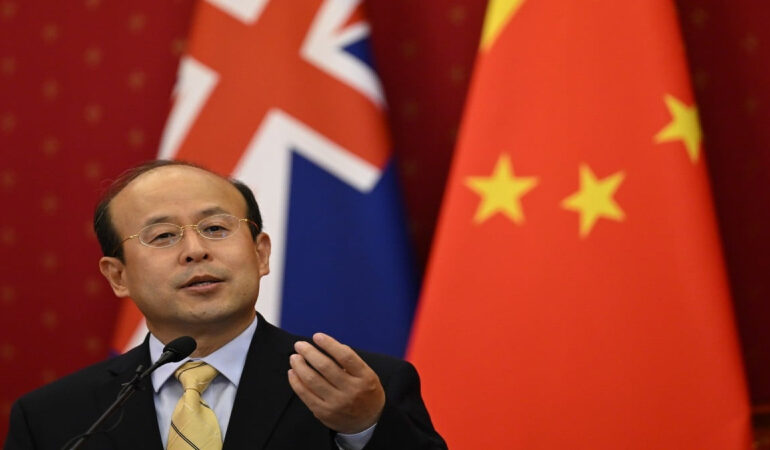
China has issued a pointed warning over Australia’s plans to regain control of the Port of Darwin, signaling that Beijing views the issue as a test case for how Chinese overseas investments are treated amid rising geopolitical scrutiny. The statement follows renewed commitments by Australia’s government to bring the strategic northern port back under domestic ownership after its long term lease to a Chinese firm became politically contentious. Chinese officials framed the matter as one of investment protection rather than security politics, emphasizing that any forced divestment would trigger a response aimed at defending the legitimate rights of Chinese companies operating abroad. The episode highlights how infrastructure assets have become flashpoints in the broader recalibration of economic relations between China and Western governments.
The Darwin Port lease was granted in 2015 under commercial terms and has since drawn criticism from security analysts and political leaders who argue that control of critical infrastructure by foreign entities carries strategic risk. Canberra’s renewed push to reclaim the port reflects a wider reassessment of foreign investment rules and national security priorities, particularly as Australia deepens defense and technology cooperation with the United States and regional partners. Beijing, however, has consistently argued that such reversals undermine investor confidence and signal discriminatory treatment. By warning of intervention, Chinese officials are seeking to raise the political cost of unwinding past deals, especially those concluded under previous governments and regulatory frameworks.
The dispute comes at a time when China is increasingly sensitive to what it sees as the politicization of commercial assets overseas. Infrastructure investments, once framed as neutral economic engagement, are now entangled in security debates across ports, energy networks and digital systems. For Australia, the Darwin Port decision carries implications beyond a single asset, touching on its reputation as an open investment destination. For China, the issue reinforces concerns that overseas exposure is becoming less predictable even in advanced economies. The standoff underscores how economic decoupling pressures are manifesting not through tariffs but through contested ownership of strategic assets.