Tesla Stumbles as China EV Leaders Pull Ahead
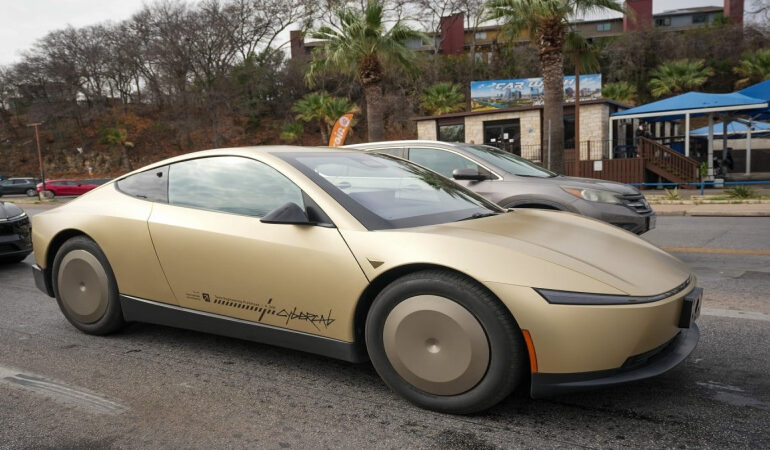
Tesla has reported its first annual revenue decline, a milestone that underscores mounting pressure from China’s fast expanding electric vehicle industry and intensifying global competition. The US automaker said total revenue fell three percent in 2025 to 94.8 billion dollars, marking the first contraction in its history even as quarterly performance exceeded market expectations. The announcement highlights how Tesla’s growth trajectory is increasingly constrained by pricing pressure, slowing demand in key markets, and the rapid rise of Chinese manufacturers that now dominate both volume and cost efficiency. While Tesla’s shares jumped after hours on optimism around future initiatives, the annual figures signal a structural shift in the global EV landscape where China’s producers are setting the pace on scale, affordability, and speed of innovation.
China’s EV champions have continued to gain ground across domestic and overseas markets, benefiting from deep supply chains, aggressive pricing, and close integration with battery and component producers. As Chinese brands expand exports and capture market share in Asia, Europe, and emerging markets, Tesla is facing a more fragmented competitive environment than at any point since its rise. Analysts note that China’s EV ecosystem has matured into a self reinforcing industrial cluster, allowing local players to innovate rapidly while keeping costs low. This advantage has become more visible as global EV demand growth moderates, exposing manufacturers with higher production costs and narrower model lineups to margin pressure and revenue volatility.
Tesla’s leadership is responding by signaling a strategic pivot beyond traditional vehicle manufacturing. During its earnings call, the company highlighted plans to accelerate development of humanoid robots and explore building its own semiconductor fabrication capacity. These moves suggest a long term effort to reduce reliance on external suppliers and reposition the company as a broader technology platform rather than a pure EV maker. However, such initiatives require significant capital and time before contributing meaningfully to revenue. In the near term, Tesla remains exposed to competitive forces in China, where domestic rivals are rolling out new models at a faster pace and leveraging state supported infrastructure to scale production and sales.
The revenue decline also reflects broader shifts in China centered EV dynamics that are reshaping global markets. Chinese manufacturers are increasingly dictating pricing benchmarks, battery chemistry choices, and software integration standards. This influence extends beyond China’s borders as exports grow and partnerships deepen across regions. For Western automakers, the challenge is no longer catching up on electric drivetrains alone but competing with an integrated industrial system anchored in China. Tesla’s performance illustrates how even early pioneers are not immune to this transition. As China’s EV giants continue to zoom ahead, the balance of power in the electric mobility sector appears to be tilting decisively toward Asia.