Explosion at northern China biotech facility kills eight, triggers industrial safety investigation
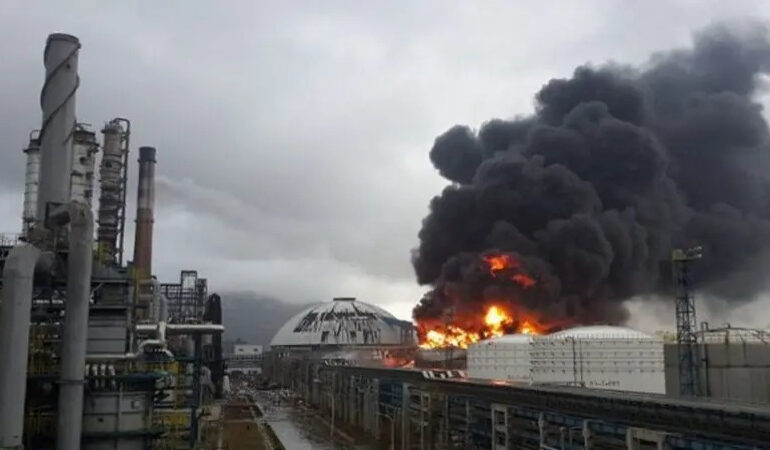
A deadly explosion at a small biotechnology facility in northern China has left eight people dead, drawing renewed attention to industrial safety standards and regulatory enforcement in the country’s manufacturing and life sciences sectors. The blast occurred in the early hours of Saturday at a privately operated biotech firm in the city of Shuoyang, located in Shanxi, according to official statements released later that day.
Emergency responders were dispatched shortly after the explosion was reported. Firefighters, medical personnel, and local authorities rushed to the scene, where thick dark yellow smoke was seen rising from the damaged facility. The force of the blast was strong enough to alarm nearby residents despite the plant’s location in a relatively remote and mountainous hollow on the outskirts of the city.
State media identified the site as Jiapeng Biotechnology, a little known company with limited public presence. Officials said the isolated location complicated early rescue and assessment efforts, as access to the site was difficult and visibility was reduced by smoke and debris. Emergency crews worked for several hours to stabilize the area, prevent secondary incidents, and recover victims from the wreckage.
Local authorities confirmed that eight people were killed in the incident. No additional injuries were reported, though officials did not rule out further updates as investigations continue. The explosion has raised serious concerns about operational safety at smaller industrial facilities, particularly those operating outside major industrial parks where oversight may be less visible.
In response to the incident, the city government moved quickly to initiate legal and administrative action. The company’s legal representative was taken into custody as part of preliminary measures, and a special accident investigation team was formed to determine the cause of the blast and identify potential violations of safety regulations. Officials said the inquiry would examine production processes, storage of materials, staff training, and compliance with existing safety standards.
As of now, investigators have not disclosed what triggered the explosion. The absence of clear information has fueled public concern, especially given reports that the company has no official website and maintains a low public profile. Attempts by local media to contact company representatives were reportedly unsuccessful, further limiting transparency around its operations.
Industrial safety incidents remain a sensitive issue in China, where regulators have pledged stricter enforcement following past accidents across sectors including chemicals, mining, and manufacturing. Biotechnology facilities often handle volatile substances and specialized equipment, making rigorous safety protocols essential even for small scale operations.
The Shuoyang explosion is likely to prompt closer scrutiny of biotech and chemical related enterprises in Shanxi and beyond. Authorities have signaled that accountability will be a priority as the investigation progresses, with potential legal consequences for those found responsible. For nearby communities and workers across the region, the incident serves as a stark reminder of the risks associated with industrial production when safety measures fail or oversight proves inadequate.