US tightens China fab oversight with annual tool licences for Samsung SK hynix and TSMC
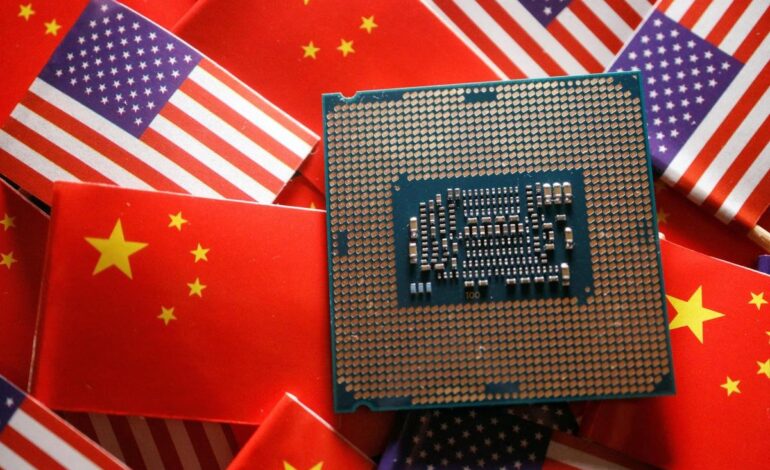
The United States has shifted to a more controlled framework for overseeing semiconductor equipment exports to China, replacing a long standing waiver system with annual export licences for major foreign chipmakers operating on the mainland. The move affects companies including Samsung Electronics, SK hynix, and TSMC, signalling a tightening of Washington’s approach to technology flows into China.
Under the new arrangement, US authorities have approved annual licences covering 2026 that allow Samsung and SK hynix to continue shipping certain US controlled chipmaking tools to their China based factories. The approvals were granted shortly before the expiration of a validated end user waiver regime that had been in place for several years. That earlier system allowed foreign owned fabs in China to receive many categories of US origin equipment without applying for individual export licences.
With the waiver framework now ending, foreign chipmakers are being placed under a more restrictive and conditional licensing regime. Industry sources say the shift represents a deliberate tightening of oversight rather than a routine administrative change. Each shipment of covered equipment will now fall under annual approvals that can be reviewed, adjusted, or withdrawn depending on policy priorities.
The policy change applies across the board to major overseas manufacturers with large operations in China. In addition to South Korean memory producers, Washington has also issued an annual licence to TSMC covering certain tool exports to its China facilities. Together, the approvals point to a coordinated policy adjustment aimed at maintaining operational continuity while increasing regulatory leverage.
For the companies involved, the licences are essential to day to day manufacturing. Samsung’s NAND flash facility in Xi’an and SK hynix’s DRAM plant in Wuxi along with its NAND operation in Dalian represent a significant share of global memory production, particularly for mature process technologies. Even without major capacity expansion, these fabs depend on a steady supply of spare parts, replacement components, and maintenance tools to remain operational.
The scope of the licences is understood to focus on sustaining existing production rather than enabling advanced upgrades. Highly sensitive equipment remains restricted under current US export controls, including tools used for leading edge manufacturing. This reflects Washington’s stated objective of limiting China’s access to cutting edge semiconductor capabilities while avoiding sudden disruptions to global supply chains.
Despite this reassurance, the shift introduces a new layer of uncertainty. Annual licensing gives US authorities the ability to revisit approvals each year, potentially tightening conditions or withholding renewals based on geopolitical developments. For chipmakers, this creates planning challenges and increases exposure to political risk.
The policy change also affects US equipment suppliers such as Applied Materials, Lam Research, and KLA, which derive substantial revenue from China based fabs. While near term access is preserved, the move highlights how dependent those sales have become on regulatory approval.
By replacing open ended waivers with annual permissions, the United States has signalled that semiconductor tool exports to China will remain under close and evolving scrutiny. The change reinforces a longer term shift toward a more fragmented and politically managed global semiconductor manufacturing landscape.