EU Leaders Debate Strategy to Reduce Economic Reliance on China and the United States
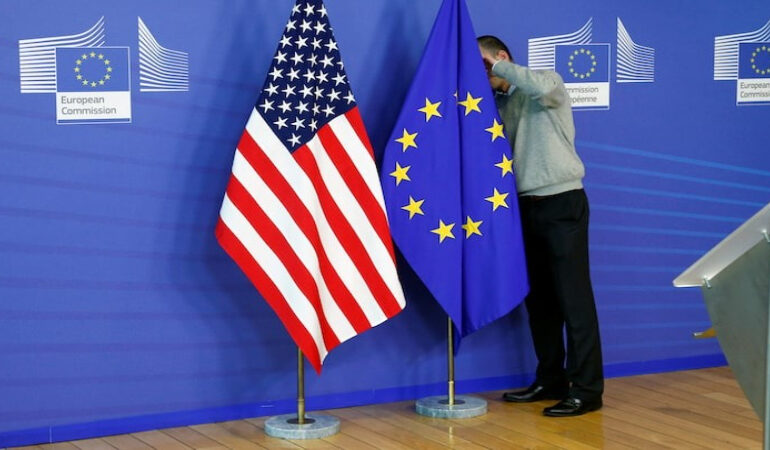
European Union leaders are preparing to debate a broad strategy aimed at reducing the bloc’s economic dependence on both China and the United States, as concerns grow over vulnerability to economic pressure and supply chain disruptions. The discussions focus on strengthening Europe’s internal market, boosting strategic industries and expanding global trade partnerships to reinforce long term economic resilience.
One central theme is cutting internal bureaucratic barriers that limit the free movement of goods and services across member states. EU officials argue that regulatory fragmentation effectively acts as a hidden tariff, raising costs for companies operating across borders. By simplifying rules and harmonizing standards, policymakers hope to create a more integrated single market that allows businesses to scale more efficiently and compete globally.
Another priority is helping European companies grow larger and more competitive. Leaders believe that the EU needs firms capable of matching the scale of major US and Chinese corporations, particularly in research intensive sectors. Larger companies benefit from economies of scale and can more easily absorb the high costs of innovation, advanced manufacturing and digital transformation. Encouraging consolidation and cross border investment is viewed as essential to building globally competitive champions.
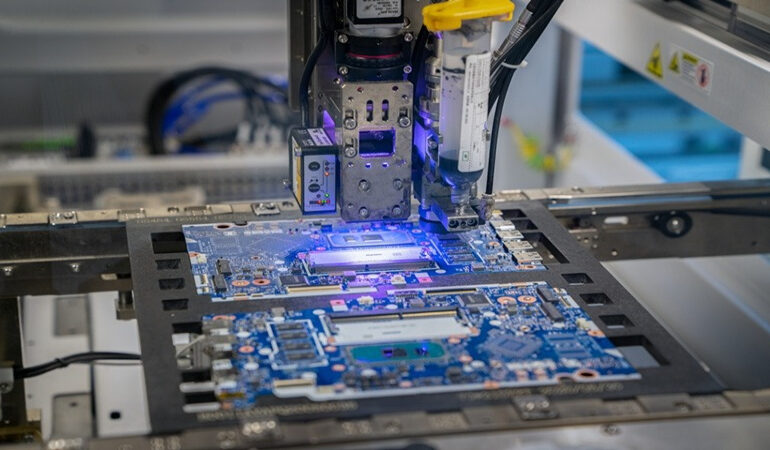
Protecting strategic industries also features prominently in the debate. The EU is examining ways to prioritize European suppliers in sensitive sectors such as clean technology, renewable energy, semiconductors, artificial intelligence, biotechnology, pharmaceuticals, defense and aerospace. Policymakers are exploring whether public procurement rules can be adjusted to favor European made products in key areas, especially where national security or supply chain stability is at stake.
At the same time, the bloc intends to remain open to global trade. Amid ongoing tensions with Washington and Beijing, the EU has accelerated negotiations with alternative partners. Over the past year, trade agreements have been concluded with Mexico, Mercosur, Indonesia, Switzerland and India, while talks continue with Australia, Thailand, the Philippines and the United Arab Emirates. Diversifying trade relationships is seen as a way to reduce exposure to economic shocks stemming from geopolitical rivalry.
Addressing strategic dependencies remains a complex challenge. The EU relies heavily on the United States for defense capabilities, digital platforms, payment services and deep capital markets. Meanwhile, China plays a dominant role in supplying rare earth elements, processing critical minerals and manufacturing components essential to renewable energy technologies such as solar panels and wind turbines. These dependencies have raised concerns about Europe’s ability to respond independently during crises.
Proposals under discussion include strengthening Europe’s defense industrial base, accelerating domestic production of critical raw materials, investing in homegrown artificial intelligence systems and advancing plans for a digital euro to enhance financial sovereignty. Leaders are also examining ways to deepen the EU’s capital markets to provide more funding opportunities for European businesses without relying heavily on foreign financial centers.
The outcome of these discussions could shape Europe’s economic direction for years to come. Balancing openness with resilience, and cooperation with strategic autonomy, remains a defining challenge as the EU seeks to navigate an increasingly competitive global landscape.