China Steps Up Funding for AI Driven Drugmakers in Push for Biotech Self Reliance
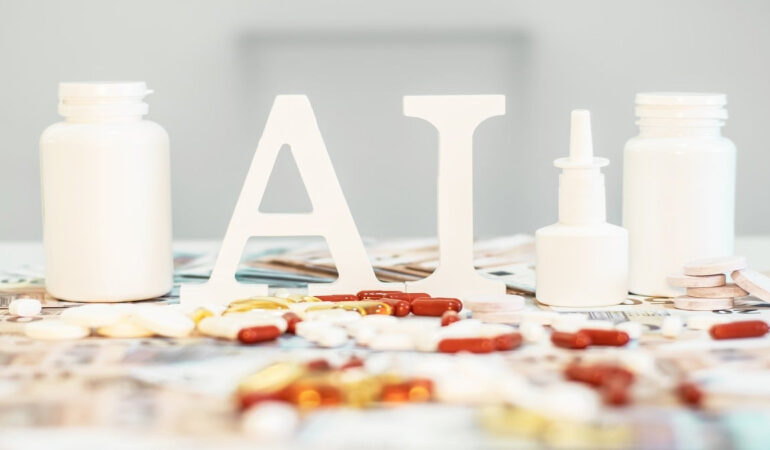
China is accelerating financial support for artificial intelligence driven drug developers as part of a broader national strategy to strengthen technological self reliance in critical sectors. State backed investment funds are channeling capital into biotech firms that combine advanced computing with pharmaceutical research, aiming to reduce dependence on foreign innovation and accelerate domestic breakthroughs.
One of the clearest examples of this trend is Hangzhou based METiS TechBio, founded in 2020, which secured 400 million yuan in Series D financing last August. The funding round was led by the Beijing Medical and Health Industry Investment Fund and the Daxing Industrial Investment Fund, both government linked vehicles. The backing underscores Beijing’s growing willingness to support companies that integrate artificial intelligence into drug discovery and development pipelines.
METiS TechBio has built a proprietary AI platform focused on optimizing drug delivery and molecular design. Its lead candidate, MTS 004, is an oral treatment targeting neurological disorders and has completed Phase III clinical trials. According to company disclosures, this marks the first time an AI designed drug candidate in China has advanced to such a late stage of testing, signaling progress in applying machine learning tools to real world therapeutic development.
The surge in funding aligns with national policy goals aimed at reducing reliance on imported technologies and pharmaceuticals. Chinese policymakers have repeatedly emphasized the importance of achieving greater autonomy in areas such as semiconductors, advanced manufacturing, and biotechnology. Drug development, historically dominated by multinational pharmaceutical companies, has become a strategic focus as healthcare demand rises and innovation capacity expands domestically.
Artificial intelligence offers potential advantages in speeding up the early stages of drug discovery by analyzing vast biological datasets, predicting molecular interactions, and identifying promising compounds more efficiently than traditional laboratory methods alone. By shortening development timelines and lowering research costs, AI platforms could help domestic firms compete more effectively with established global players.
State support is playing a pivotal role in scaling these efforts. Government linked funds not only provide capital but also signal policy endorsement, helping companies attract additional private investment and partnerships. The emphasis on AI enabled healthcare solutions also reflects China’s ambition to build integrated ecosystems that combine computing power, clinical data, and pharmaceutical manufacturing capabilities.
While AI designed drugs still face regulatory scrutiny and clinical uncertainty, the advancement of candidates into late stage trials indicates growing maturity in the field. Successful commercialization would represent a milestone for China’s biotech sector and demonstrate the viability of homegrown innovation strategies.
Beyond individual companies, the broader investment wave highlights a structural shift in China’s healthcare landscape. As the country confronts an aging population and rising chronic disease burden, expanding domestic drug research capacity has become both an economic and public health priority. By leveraging artificial intelligence and sustained state backing, Chinese biotech firms are positioning themselves at the forefront of a rapidly evolving global pharmaceutical industry.