
State Firms Step In to Buy Foreclosed Homes as China Tries to Stabilize Property Market
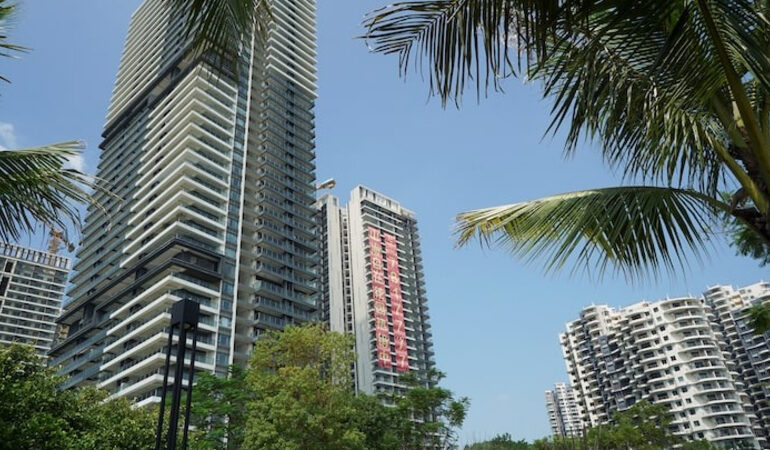
Chinese state owned enterprises are increasingly purchasing foreclosed residential properties, signaling that government backed efforts to absorb excess housing inventory are beginning to gain traction after years of market stress. The moves come as policymakers attempt to cushion the prolonged downturn in the real estate sector, which has weighed heavily on economic growth since 2021.
A review of public auction records shows that several state linked firms have won tenders for distressed housing projects across different provinces. In many cases, the properties were acquired at discounts ranging from roughly 20 percent to more than 40 percent below their assessed market value. Some of the projects remain unfinished, reflecting the broader strain facing developers that have struggled with debt and weak buyer demand.
Analysts say the participation of state firms aligns with earlier policy guidance encouraging public sector entities to help reduce unsold housing stock and convert suitable units into affordable rental housing. The approach is designed to stabilize prices, prevent sharper declines in home values and limit the spillover effects on local government finances and banks exposed to property loans.
Recent transactions illustrate the trend. In Hainan province, a state administered enterprise purchased dozens of apartments at a substantial discount, while local housing service centers in other cities acquired smaller batches of units with plans to repurpose them for young residents and new urban arrivals. In Guangzhou, a municipal operations firm bought more than 60 apartments at prices below previous secondary market levels.
Despite these steps, analysts caution that the overall scale of state purchases remains modest compared with the vast inventory overhang facing the market. Estimates suggest that unsold or underutilized housing stock stretches across thousands of square kilometers nationwide. Auction data also indicate that only a fraction of listed foreclosed properties have successfully found buyers over the past year, underscoring the depth of the supply imbalance.
Some economists argue that while state intervention can slow the pace of price declines and provide targeted relief, it may also delay the process of full market adjustment. By transferring distressed assets to entities with access to cheaper financing, losses may be spread out over time rather than quickly written down. This managed approach contrasts with more abrupt corrections seen in other countries during past financial crises.
Comparisons have been drawn with Japan’s property downturn in the 1990s, where gradual measures prolonged the adjustment period. In China, many indebted developers have yet to fully liquidate, and related liabilities remain on the balance sheets of financial institutions.
For now, the expanding role of state firms reflects Beijing’s determination to prevent sharper instability in a sector that accounts for a significant share of economic activity. Whether these acquisitions mark the start of a broader nationwide program or remain city specific interventions will likely determine how quickly the property market can regain sustainable footing.



