WIPO Chief Daren Tang Wins Second Term Amid Broader UN Funding Strains
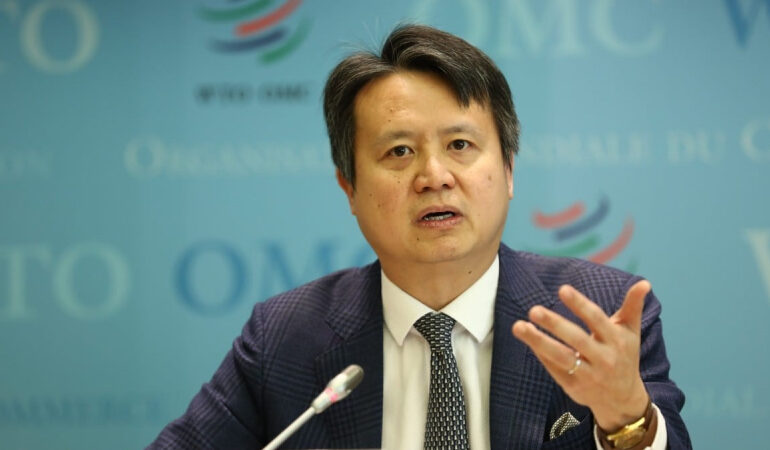
The head of the World Intellectual Property Organization has secured a second term despite criticism over aspects of his leadership and growing financial pressures across the wider United Nations system. Director General Daren Tang was re elected by an overwhelming margin, winning 81 votes out of 83 cast by eligible member states.
Tang, a Singapore national, defeated Haitian candidate Johanny Stanley Joseph in a vote that underscored broad institutional backing for his leadership. His re election comes at a time when several UN agencies are facing significant budget constraints, as major contributors reassess funding commitments and some governments reduce financial support.
Unlike many other parts of the UN system, WIPO remains comparatively well funded. The agency generates much of its income through fees paid by businesses and innovators for patent, trademark and design filings under international treaties it administers. This revenue model has shielded it from some of the funding shortfalls affecting humanitarian and development bodies.
Tang first assumed office six years ago following a closely contested election marked by geopolitical competition between the United States and China. In that race, he prevailed over Chinese candidate Wang Binying after intensive lobbying by both sides. His victory at the time was widely viewed as reflecting strong backing from Washington during the Trump administration, which mobilized diplomatic support to counter Beijing’s influence.
The current vote unfolded in a different global context. Tensions between major powers remain elevated, yet neither the United States nor China appeared to dominate the process to the same extent as in 2019. Observers noted that member states focused largely on continuity and institutional stability during a period of uncertainty for multilateral organizations.
Tang’s leadership has not been without controversy. In recent months, questions were raised following a whistle blower letter that criticized aspects of internal management and policy direction. Supporters argue that under his tenure, WIPO has expanded digital services, improved dispute resolution mechanisms and increased engagement with developing countries seeking to strengthen intellectual property systems.
As the global innovation economy grows increasingly complex, WIPO plays a central role in facilitating cross border protection of patents and trademarks. The agency’s work is closely watched by technology companies, pharmaceutical firms and creative industries worldwide.
Tang’s renewed mandate signals that a large majority of member states believe stability at WIPO is preferable amid broader institutional turbulence. With financial strains affecting other UN agencies, the intellectual property body’s relatively self sustaining model may continue to draw attention as governments debate the future funding and reform of the multilateral system.