US and China Trade Barbs Over Peru’s Chinese-Backed Chancay Megaport
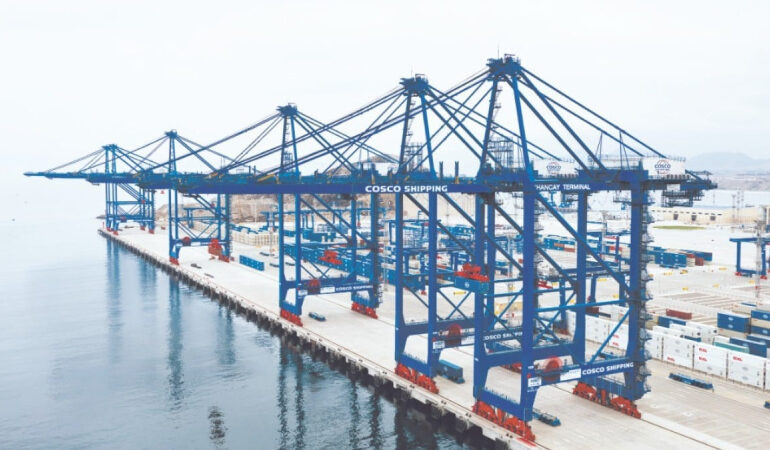
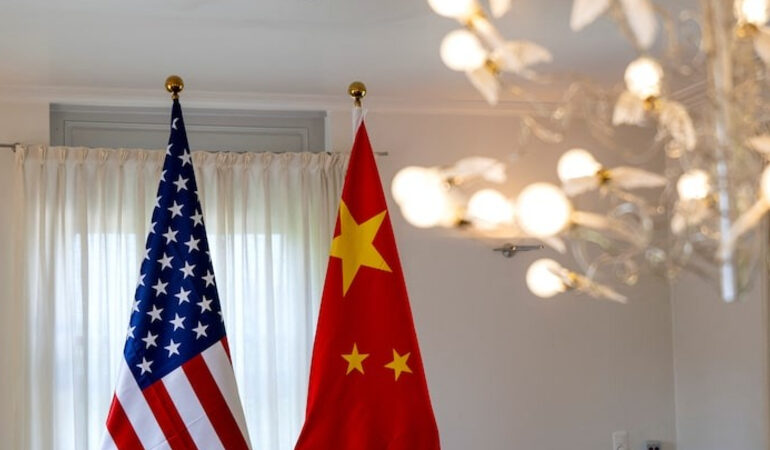
Tensions between Washington and Beijing have escalated over Peru’s Chinese backed Port of Chancay after a local court ruling limited the authority of Peru’s port regulator to oversee aspects of the facility’s operations. The decision has drawn sharp reactions from both powers, highlighting growing geopolitical competition over strategic infrastructure in Latin America.
The dispute centers on the Port of Chancay, a 1.3 billion dollar deep water hub located about 80 kilometers north of Lima. The project is majority owned by COSCO Shipping Ports, a subsidiary of China’s state shipping conglomerate. Spanning 180 hectares, the port has the capacity to handle up to one million containers annually and is expected to become a key node linking South America to Asian trade routes.
U.S. officials have expressed concern that limiting regulatory oversight could weaken Peru’s sovereign control over critical infrastructure. According to statements cited by regional media, Washington warned that curtailing the role of Peru’s port authority risks setting a precedent that may undermine transparency and national oversight in projects involving foreign state owned enterprises.
Beijing rejected the criticism, defending the Chancay project as a commercial investment aimed at improving trade connectivity and regional development. Chinese representatives emphasized that the port operates under Peruvian law and contributes to economic growth, job creation and integration into global supply chains.
The court decision reportedly restricts the regulator’s ability to intervene in certain operational and tariff related matters, a move supporters say ensures legal certainty for investors. Critics argue that the reduced oversight may limit the government’s ability to enforce standards or respond to national security concerns.
Chancay has been viewed as a flagship project within China’s broader overseas infrastructure strategy. The port is expected to reduce shipping times between South America and Asia, bypassing traditional routes that rely heavily on North American hubs. For Peru, the facility promises to boost exports of minerals and agricultural goods while positioning the country as a logistics gateway on the Pacific coast.
However, the development comes at a time of heightened scrutiny over foreign investment in strategic sectors. The United States has increasingly warned Latin American governments about potential long term implications of reliance on Chinese financed infrastructure, while China has sought to expand its commercial presence across the region.
Analysts say the dispute reflects broader global competition over supply chains, trade corridors and maritime access points. As trade flows evolve and infrastructure becomes more tightly linked to geopolitical interests, projects such as Chancay are likely to attract continued attention from major powers.
For Peru, balancing economic opportunity with regulatory authority remains central. The port’s future governance structure and its integration into global shipping networks will shape not only trade patterns in the region but also the evolving diplomatic dynamics between Washington and Beijing.