Democrats Criticize Trump Over Decision to Pause China Tech Security Measures
Democratic lawmakers have sharply criticized President Donald Trump’s administration for shelving several proposed technology security measures targeting China, arguing that the decision could weaken US national security ahead of a planned summit between the American and Chinese leaders.
The paused measures reportedly included restrictions on Chinese telecommunications firms operating in the United States, limits on the sale of Chinese equipment used in American data centers and proposed bans affecting networking hardware and certain electric commercial vehicles. Lawmakers said the steps had been designed to reduce potential security vulnerabilities linked to critical infrastructure and sensitive data systems.
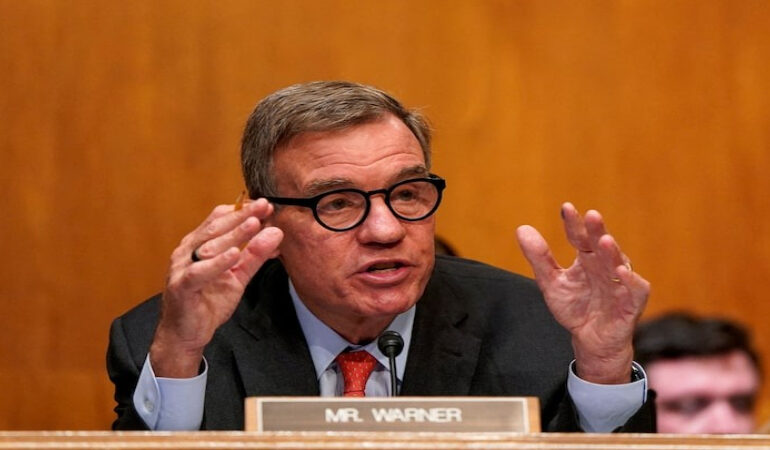
Senator Mark Warner, the ranking Democrat on the Senate Intelligence Committee, accused the administration of prioritizing commercial deals over long term security interests. In a public statement, he argued that easing pressure on Chinese technology firms risks granting continued access to US markets and advanced technologies despite ongoing strategic competition between Washington and Beijing.
Democrats on the House Foreign Affairs Committee echoed those concerns, describing the move as a retreat from efforts to safeguard technology supply chains. They said suspending the measures sends the wrong signal at a time when cybersecurity, data protection and infrastructure resilience remain central to bipartisan policy debates.
The technology measures under review were part of a broader US strategy aimed at limiting perceived national security risks associated with foreign equipment in telecommunications networks and digital infrastructure. Over the past several years, successive administrations have expanded scrutiny of Chinese companies involved in networking hardware, data services and advanced manufacturing, citing concerns about data access and potential state influence.
Supporters of the paused actions argue that telecommunications networks, data centers and transport systems represent critical nodes in the digital economy. They maintain that tighter controls are necessary to protect government communications, financial systems and private sector data from potential interference.
At the same time, the decision to hold back certain measures comes as Washington prepares for high level diplomatic engagement with Beijing. Analysts say technology policy has become one of the most sensitive issues in the bilateral relationship, alongside trade, export controls and supply chain security. Balancing economic interests with national security objectives has proven politically complex, particularly when US companies have significant commercial exposure to Chinese markets.
Business groups have often cautioned that sweeping restrictions can disrupt global supply chains and raise costs for American firms and consumers. They argue that targeted and clearly defined rules are preferable to broad bans that may invite retaliation or unintended consequences.
The renewed political debate highlights the central role technology plays in US China relations. As competition intensifies in areas such as semiconductors, artificial intelligence and telecommunications infrastructure, policy shifts in Washington are likely to remain closely watched by lawmakers, industry leaders and international partners alike.