
Canadian Consumers Show Growing Openness to Chinese EVs as Tariffs Ease
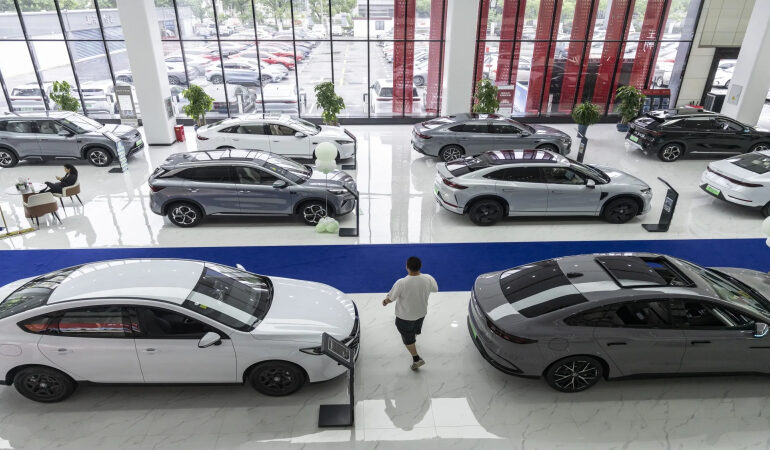
A shift in Canadian trade policy toward Chinese electric vehicles is being met with changing consumer attitudes, as new polling suggests that many Canadians are increasingly open to purchasing lower cost EVs from China.
Recent survey data indicates that 53 percent of Canadians say the fact that an electric vehicle was manufactured in China would have no impact on their decision to buy it. The findings point to a pragmatic approach among consumers, particularly as affordability and access to clean transportation remain key concerns in the domestic market.
The shift comes as Prime Minister Mark Carney moves to reduce tariffs on imports of Chinese made electric vehicles. The policy adjustment is intended to increase competition, lower prices and accelerate the country’s transition to zero emission transportation. Canada has set ambitious climate targets that rely heavily on expanding EV adoption, and cost remains one of the biggest barriers for consumers considering a switch from internal combustion vehicles.
Chinese automakers such as BYD have rapidly expanded production capacity and developed competitive battery technologies that allow them to offer electric vehicles at prices often below Western rivals. Globally, China has emerged as the largest EV market and manufacturing hub, benefiting from strong supply chains, battery expertise and large scale domestic demand.
For Canadian buyers, price sensitivity appears to outweigh geopolitical considerations. While some consumers express concerns about supply chain transparency or strategic dependence, the majority surveyed indicated that country of origin alone would not deter them. Analysts note that high vehicle prices and rising living costs have increased the appeal of more affordable alternatives.
The easing of tariffs also has implications for Canada’s domestic automotive sector. Local manufacturers and North American producers have previously raised concerns about competition from subsidised imports. Policymakers face the challenge of balancing consumer affordability with industrial policy goals that support local production and job creation.
At the same time, Canada’s climate commitments require rapid growth in EV adoption. Expanding consumer choice through lower priced imports could help accelerate uptake, especially in provinces where incentives are limited. Industry observers suggest that broader availability of competitively priced models may push established brands to innovate and adjust pricing strategies.
Globally, trade policies around electric vehicles are becoming increasingly complex. While some countries have introduced higher tariffs to protect domestic industries, others are recalibrating their approach to support consumer access and climate objectives. Canada’s evolving stance reflects the tension between economic competitiveness, environmental targets and geopolitical alignment.
As tariff reductions take effect, the Canadian EV market may see greater diversification in brands and pricing tiers. Consumer willingness to consider Chinese vehicles suggests that cost and technology features are likely to remain decisive factors in purchasing decisions as the country’s electric mobility transition continues to unfold.



