AI Driven Risk Models Reshape Car Insurance Pricing in China
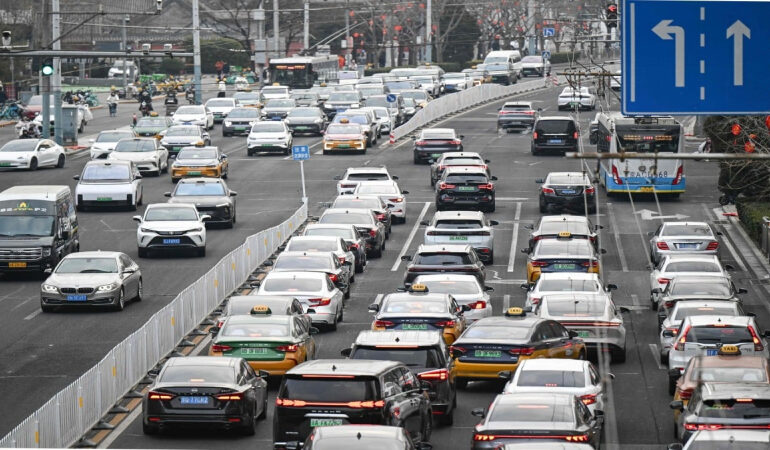
Artificial intelligence is rapidly transforming automotive services in China, with insurers using large scale data analytics to refine how risk is measured and how premiums are calculated. One surprising insight emerging from these systems is that white vehicles may attract lower insurance premiums, as data suggests they are statistically less likely to be involved in accidents compared with cars of other colors.
Digital automotive service providers are increasingly relying on AI powered platforms to personalize insurance products. By analyzing millions of driving records, accident reports, and behavioral indicators, algorithms can identify subtle risk patterns that were previously overlooked in traditional actuarial models. Color is just one of many data points, but it reflects how granular pricing has become.
Executives at technology enabled automotive service firms say the findings are derived from large proprietary datasets that combine vehicle information, telematics inputs, and claims histories. Beyond vehicle color, insurers are factoring in commuting frequency, route selection, time of day, and even specific intersections where drivers regularly make turns. Drivers who frequently navigate high risk traffic zones may receive higher quotations compared with those whose routes show lower historical accident rates.
The integration of AI into automotive insurance has accelerated as connected vehicles generate more real time data. Telematics systems can track speed patterns, braking intensity, acceleration behavior, and lane changes. Machine learning models process this data to create dynamic risk profiles that evolve rather than relying solely on static demographic categories such as age or location.
China’s large urban population and high density road networks provide a vast data environment for algorithm training. In megacities like Beijing and Shanghai, rush hour traffic patterns offer valuable insights into accident probability under varying weather and congestion conditions. AI systems can continuously refine their predictions as new claims and driving records are added to the database.
The shift toward data driven underwriting is also reshaping customer experience. Instead of broad risk categories, drivers increasingly receive personalized pricing and service recommendations. Safe driving habits may translate into discounted premiums, while riskier behavior can trigger higher rates or tailored safety suggestions delivered through mobile applications.
Automotive service platforms are collaborating with technology companies to strengthen their AI infrastructure. Advanced computing capabilities and natural language processing tools enable customer support automation and faster claims assessment, reducing processing times and administrative costs. This efficiency can further influence premium structures and competitive positioning in a crowded insurance market.
As regulators monitor the growing role of artificial intelligence in financial services, transparency and data governance remain key concerns. Companies must balance predictive accuracy with fairness and privacy protections. Nevertheless, AI based risk modeling is quickly becoming central to China’s automotive insurance landscape, illustrating how data science is redefining everyday services for millions of drivers.