AI eyewear records surge in China during Spring Festival shopping rush
China’s consumer technology market witnessed a strong rebound during the recent Spring Festival holiday, with artificial intelligence powered eyewear emerging as one of the standout products. Retailers across major electronics hubs reported sharp increases in demand as shoppers combined holiday spending with new government incentives aimed at boosting high tech consumption.
In Shenzhen’s Huaqiangbei district, widely regarded as the world’s largest electronics wholesale market, merchants described a noticeable shift in buying patterns. Store operators said overall revenue in the area rose by about 35 percent compared with the same holiday period last year. AI glasses were among the fastest moving items, with some vendors reporting sales growth of up to 80 percent. The surge reflects growing interest in wearable devices that integrate real time translation, voice assistants, photography, and augmented display features into lightweight frames.
The momentum was supported by a national subsidy programme introduced to stimulate domestic consumption of smart devices. Under the scheme, eligible electronics including certain AI enabled products qualify for partial rebates, lowering the effective purchase price for consumers. Industry analysts say the timing of the subsidy, combined with pent up demand after a cautious spending cycle in 2025, created ideal conditions for a Spring Festival sales spike.
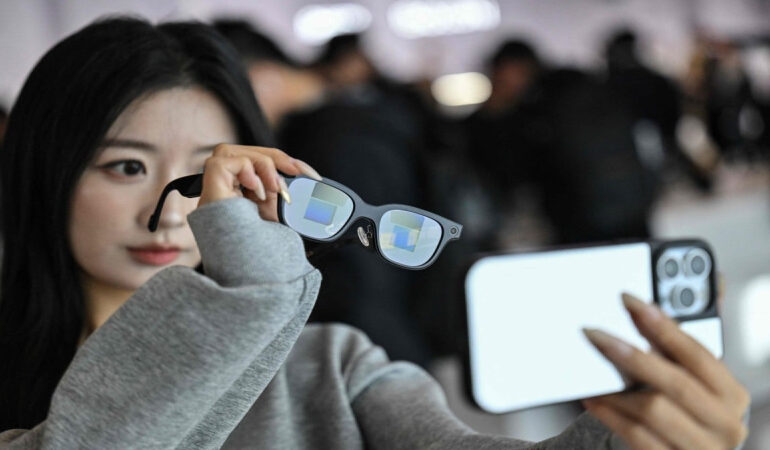
Chinese technology companies have accelerated development of AI eyewear over the past year, incorporating large language models and on device processing capabilities. Brands such as Rokid and other domestic hardware makers have showcased updated models featuring improved battery life, enhanced image recognition, and seamless connectivity with smartphones. The devices appeal to younger consumers seeking hands free interaction as well as professionals interested in productivity tools.
The holiday data also showed spillover effects across adjacent product categories. Retailers in Huaqiangbei reported that drone and consumer robotics sales increased by as much as 50 percent year on year. This suggests a broader recovery in discretionary spending on advanced electronics, particularly products that combine artificial intelligence with everyday usability.
Market observers note that China’s wearable technology segment remains highly competitive, with both startups and established hardware manufacturers racing to capture early adopters. The rapid growth during the Spring Festival indicates that AI glasses are transitioning from niche gadgets to mainstream consumer electronics. As production scales up and software ecosystems mature, pricing is expected to become more accessible, further expanding the addressable market.
E commerce platforms also contributed to the momentum, with promotional campaigns and livestream sales driving online orders during the holiday period. Data from several major platforms indicated that search volumes for AI eyewear rose significantly in the days leading up to the Lunar New Year, underscoring rising consumer awareness.
The strong performance of AI eyewear during one of China’s most important shopping seasons highlights how artificial intelligence is increasingly embedded in consumer hardware, reshaping spending trends across the country’s vast electronics market.