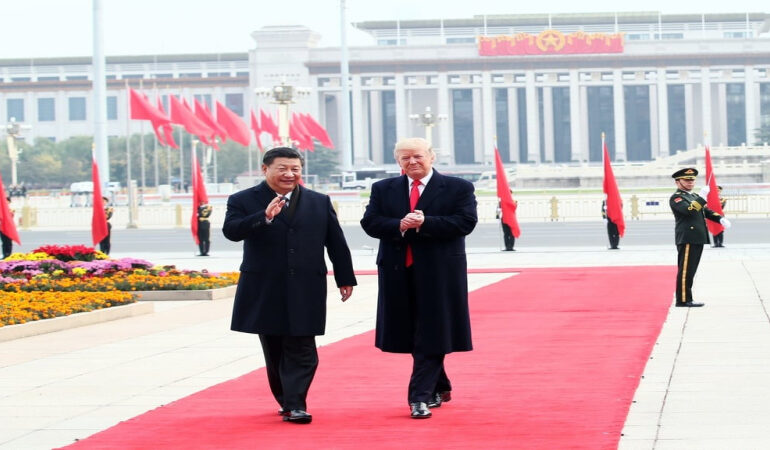
Communist Party Warns Cadres on Governance Standards Ahead of Leadership Transition
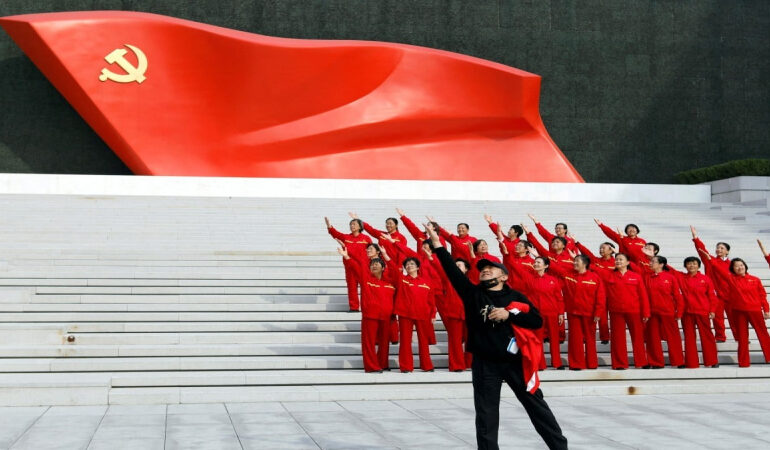
China’s Communist Party has launched a governance review campaign targeting officials across multiple administrative levels, signaling heightened scrutiny of performance standards as the country approaches key leadership adjustments and the next five year development cycle.
The campaign, which will run through July, places county level officials and above under renewed evaluation guidelines. Cadres have been instructed to correct deviations from what authorities describe as the correct political and administrative line, both in their own conduct and in their assessment of subordinates.
The timing is significant. China is preparing for leadership reshuffles at various tiers of government ahead of the next national party congress, a five yearly event that sets long term political and economic direction. Performance appraisals play a central role in determining promotions, transfers and disciplinary outcomes within the party structure.
State media commentary has suggested that violations of governance expectations may include factional behavior, policy distortion and wasteful infrastructure spending. References to building white elephant projects reflect longstanding concerns that local officials sometimes pursue high visibility construction initiatives to boost short term performance metrics rather than deliver sustainable economic benefits.
In recent years, Beijing has emphasized the need to align local governance with broader national priorities such as financial risk control, consumption growth and technological self reliance. The current review campaign appears designed to reinforce those objectives by tightening discipline and clarifying standards ahead of the next planning cycle.
Performance evaluation has historically been linked to economic growth indicators, particularly gross domestic product expansion. However, policymakers have increasingly warned against an excessive focus on headline growth figures at the expense of quality, efficiency and social welfare. The new guidance reinforces expectations that cadres balance development goals with risk management and policy consistency.
The campaign also underscores the party’s emphasis on political loyalty and organizational cohesion. Warnings against clique formation highlight concerns about internal fragmentation or competing power centers within local administrations. Maintaining unified implementation of central directives remains a core priority as China navigates complex domestic and external challenges.
For investors and businesses, the governance review signals potential adjustments in local policy behavior. Officials seeking to demonstrate compliance may prioritize regulatory discipline, fiscal prudence and alignment with national industrial strategies. Sectors tied to consumption upgrading, advanced manufacturing and social services could see stronger policy support compared with speculative property or debt driven projects.
As the next five year plan framework begins to take shape, the recalibration of cadre performance standards illustrates how political oversight and economic direction remain closely intertwined in China’s governance model. The warning serves both as an internal corrective mechanism and as preparation for leadership transitions that will shape the country’s development path in the years ahead.