China Denounces Strikes on Iran and Calls for Immediate Ceasefire
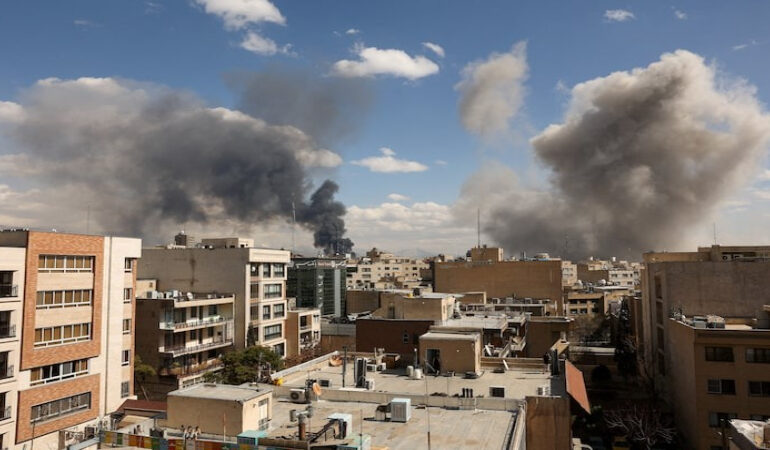
China has strongly condemned the recent military strikes on Iran by the United States and Israel, urging an immediate ceasefire and a return to diplomatic negotiations to prevent further escalation across the Middle East.
Chinese Foreign Minister Wang Yi described the attacks as unacceptable, criticizing what he referred to as the killing of a sovereign leader and warning against actions that could fuel regime change and deepen regional instability. In a phone call with Russian Foreign Minister Sergei Lavrov, Wang emphasized the need for an urgent halt to hostilities and a political solution to the Iran issue.
According to official Chinese statements, both Beijing and Moscow agreed that military actions taken despite Iran’s stated openness to dialogue risk undermining international norms and worsening security conditions in the Gulf region. The two ministers highlighted the importance of safeguarding the legitimate security interests of all Gulf states and stressed that diplomatic channels must remain open.
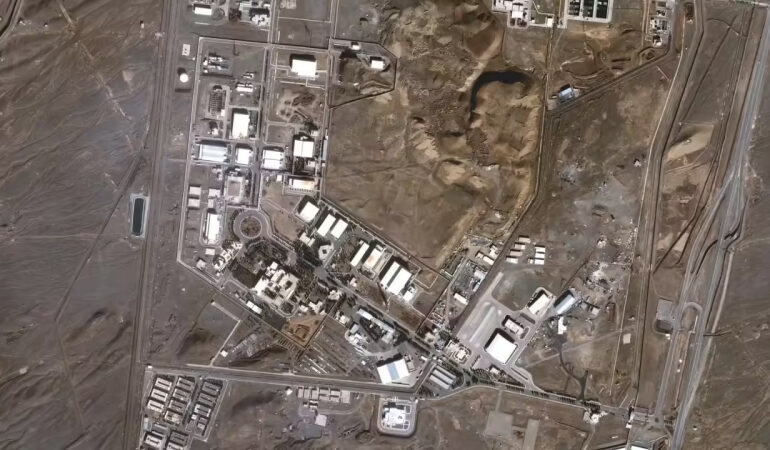
The strikes, which reportedly targeted senior Iranian leadership and key facilities, have intensified geopolitical tensions and prompted concerns about broader regional fallout. In response to the unfolding conflict, China has taken steps to protect its nationals in affected areas.
The Chinese embassy in Israel advised citizens to move to safer locations within the country or to consider leaving via the Taba border crossing into Egypt. At the same time, China’s foreign ministry urged its citizens in Iran to depart as soon as possible, identifying land routes through Azerbaijan, Armenia, Turkey and Iraq. Officials also cautioned Chinese nationals against traveling to the region under current conditions.
Chinese authorities confirmed that some citizens have been injured in the attacks and that others remain stranded due to transportation disruptions. Flight cancellations and airspace restrictions have affected travel across the Middle East. Hong Kong based airline group Cathay suspended operations in parts of the region, including passenger routes linked to Dubai and Riyadh, while also adjusting cargo services and rerouting flights to avoid affected air corridors.
State media in China characterized the strikes as a violation of the principles of the United Nations Charter and international law. Commentary emphasized opposition to the use of military force as a tool of coercion and warned that unilateral actions could destabilize global energy markets and trade routes.
The conflict carries significant economic implications, particularly given Iran’s strategic position in global energy supply chains and the Gulf’s importance to international trade. Any prolonged instability could disrupt oil shipments and increase volatility in commodity markets, with ripple effects extending into Asia.
Beijing has reiterated that dialogue remains the only viable path forward. As tensions remain high, China is positioning itself as an advocate for diplomatic engagement, while simultaneously focusing on the safety of its citizens and the protection of broader economic interests tied to the region.