Honor Unveils Robot Phone and Humanoid Assistant in Bold AI Hardware Push
Chinese smartphone brand Honor has introduced a robot phone and its first humanoid companion as part of an aggressive expansion into artificial intelligence powered hardware, signaling a new phase of competition in the global Android ecosystem.
The announcement came ahead of MWC Barcelona, one of the world’s largest mobile technology trade shows, where device makers are racing to differentiate themselves beyond traditional smartphone specifications. Honor’s showcase included its latest foldable handset alongside experimental AI driven products designed to blend robotics, multimodal interaction and mobile computing.
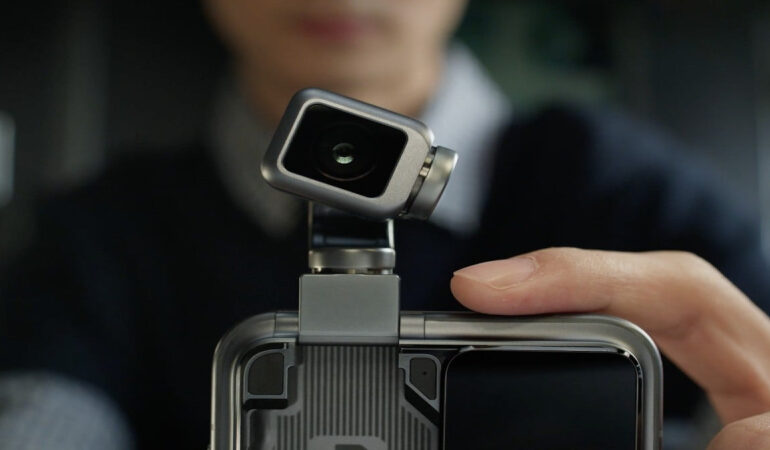
At the center of the unveiling was the AI Robot Phone, a concept device equipped with a motorised three axis gimbal arm integrated directly into the handset. The fold out camera system is capable of tracking user movement in real time, adjusting angles automatically and enabling dynamic video capture without external stabilizers. According to the company, the system allows for all angle video calls, motion tracking and interactive responses driven by onboard artificial intelligence.
Honor said the combination of hardware engineering and multimodal AI enables the phone to respond to voice commands and visual cues with physical gestures. The robotic camera arm can nod, tilt or even move rhythmically to music, creating a more expressive interface between device and user. The concept highlights the company’s ambition to push smartphones beyond static touch screens toward embodied AI experiences.
Alongside the robot phone, Honor also previewed a humanoid assistant designed to function as a companion device within smart home environments. While detailed technical specifications were limited, the company positioned the humanoid as part of a broader strategy to integrate AI across personal devices, robotics and connected ecosystems.
The move reflects intensifying competition among Android manufacturers seeking to stand out in a saturated market. With hardware differentiation narrowing in areas such as processors, displays and camera resolution, Chinese brands are increasingly turning to artificial intelligence and robotics to create new user experiences. AI features such as real time translation, generative content creation and adaptive photography have already become standard across premium devices.
By integrating robotic elements directly into mobile hardware, Honor is signaling a willingness to experiment with form factors and redefine what a smartphone can be. The concept also aligns with China’s broader push into embodied AI and consumer robotics, areas that are drawing heavy investment from domestic technology firms.
Industry analysts note that while the robot phone remains an early stage innovation, it underscores a shift toward AI native devices that combine software intelligence with mechanical responsiveness. As AI models become more capable of processing text, image and audio inputs simultaneously, hardware designs may evolve to reflect more interactive and physical interfaces.
Honor’s latest preview suggests that the next wave of competition in mobile technology could revolve around how seamlessly artificial intelligence integrates into everyday hardware.