Chinese Military Leadership Calls for Political Rectification Ahead of PLA Centenary
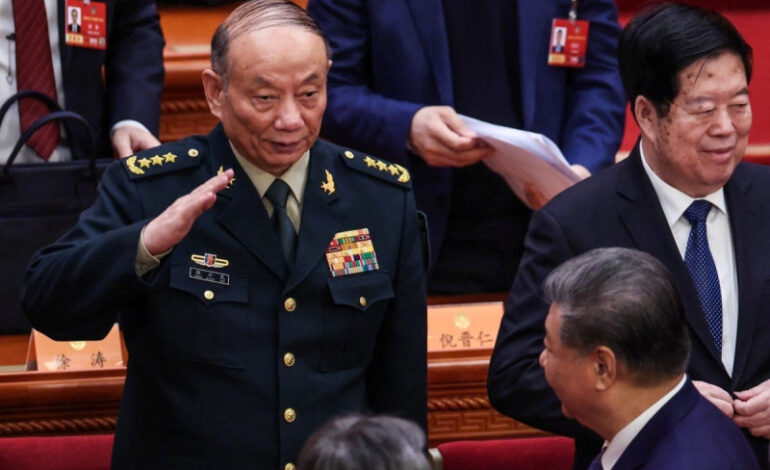
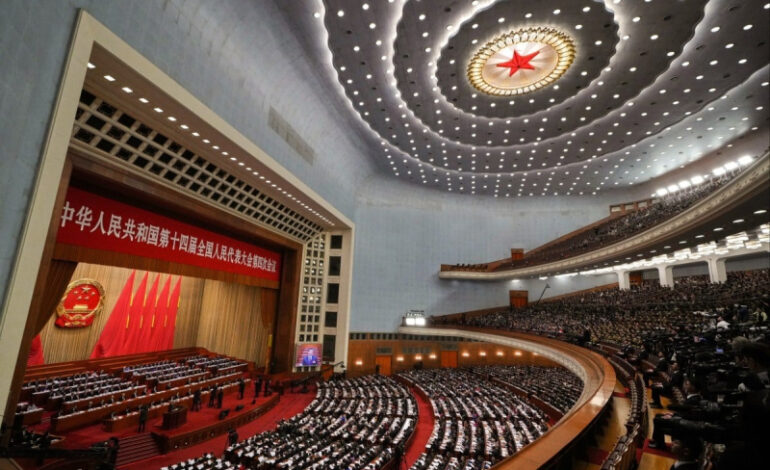
China’s senior military leadership has called for deeper political discipline and anti corruption measures within the armed forces as the country approaches the centenary of the People’s Liberation Army. During policy discussions in Beijing, a top official of the Central Military Commission emphasized the importance of strengthening ideological loyalty and internal governance within the military structure. The remarks came as Chinese lawmakers and political advisers gathered for the country’s annual national meetings, where security, economic priorities and long term development plans are discussed by top officials.
The statement was delivered during a panel session linked to the ongoing national political meetings in Beijing, often referred to as the two sessions. These annual gatherings serve as a platform for senior officials to outline policy directions across government institutions, including the military. The Central Military Commission plays a critical role in overseeing China’s armed forces, and its leadership has increasingly emphasized discipline, party oversight and internal accountability as key components of military modernization.
Officials have highlighted the importance of strengthening the political foundations of the armed forces as China prepares to mark the one hundred year anniversary of the People’s Liberation Army. The centenary milestone represents a symbolic moment for the military and is closely tied to the country’s broader modernization goals. Authorities believe that maintaining strict political discipline and reinforcing loyalty to the leadership are essential elements in ensuring the armed forces remain aligned with national strategic objectives.
In recent years, China has launched a series of high profile anti corruption investigations within the military establishment. These campaigns have targeted senior officers and defense officials accused of misconduct, reflecting a broader effort to reinforce transparency and accountability within military institutions. Analysts say the ongoing anti corruption drive aims not only to address misconduct but also to strengthen organizational efficiency and credibility as the armed forces continue their modernization efforts.
Political rectification campaigns are often linked to efforts to reinforce ideological discipline within government and military organizations. Military officials have stressed the need for clear command structures and unified leadership, particularly during a period when China is expanding its technological capabilities and strengthening national defense infrastructure. Ensuring that military institutions operate with strict adherence to central leadership directives is considered a priority as the country continues to develop advanced defense technologies and modern combat systems.
The broader military modernization strategy includes investments in advanced equipment, improved training programs and technological innovation across the defense sector. China has increased its focus on areas such as cyber security, space related capabilities and advanced communications systems as part of efforts to build a more technologically capable military force. These initiatives are viewed as essential components of the country’s long term national security strategy and are often discussed during major policy planning meetings.
As the centenary of the People’s Liberation Army approaches, Chinese authorities are emphasizing both institutional reform and technological advancement within the military structure. Officials say strengthening discipline, improving governance and maintaining loyalty within the armed forces will play an important role in supporting the broader transformation of China’s defense capabilities during the coming decades.