Tesla China EV Sales Surge 91 Percent in February as Shanghai Plant Output Expands
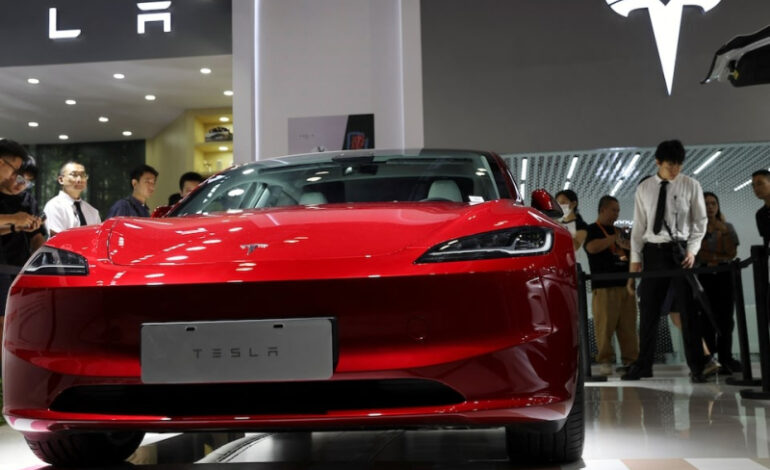
Tesla recorded a sharp increase in sales of its China manufactured electric vehicles in February, highlighting renewed momentum for the US automaker in the world’s largest EV market. Deliveries of Model 3 and Model Y vehicles produced at Tesla’s Shanghai factory reached 58600 units during the month. The figure represents a 91 percent increase compared with the same period a year earlier and marks the fourth consecutive month of rising sales for Tesla’s China operations. The strong year on year growth was partly influenced by a lower comparison base in early 2025 when production and deliveries were affected by factory adjustments and seasonal factors.
Despite the strong annual growth, February sales were lower compared with January levels. Deliveries declined about 15 percent from the previous month, reflecting typical seasonal fluctuations associated with the Lunar New Year period when manufacturing schedules and consumer demand often shift. China’s electric vehicle market frequently experiences irregular monthly patterns during the first quarter of the year because the holiday period moves between January and February depending on the lunar calendar. Automakers often adjust production schedules and sales campaigns during this period, which can lead to short term volatility in monthly sales figures.
Tesla’s Shanghai manufacturing facility continues to play a central role in the company’s global supply chain. The factory produces vehicles not only for the Chinese market but also for export to other regions including Europe and parts of Asia. Export activity from the Shanghai plant increased significantly during February, with shipments reaching roughly 20000 vehicles. Industry data indicates exports grew nearly five times compared with the same period last year, reflecting rising international demand for vehicles assembled at Tesla’s Chinese production hub.
The expansion of production in Shanghai has helped Tesla maintain a strong presence in the highly competitive Chinese electric vehicle market. Domestic automakers such as BYD have emerged as powerful competitors with rapidly expanding product portfolios and strong battery manufacturing capabilities. Tesla has responded by refining its manufacturing efficiency and introducing financing programs designed to attract new buyers. The company recently launched a long term low interest financing plan aimed at making its vehicles more accessible to Chinese consumers while strengthening its competitiveness against domestic EV brands.
China remains the largest and most dynamic electric vehicle market in the world, with domestic manufacturers and international automakers competing aggressively for market share. Government policies promoting electrification and improvements in charging infrastructure have accelerated EV adoption across major cities. However, the gradual reduction of certain subsidies and incentives has increased competition among automakers, pushing companies to focus more heavily on pricing strategies, financing programs and technology innovation.
Tesla’s presence in China has been a key component of its global expansion strategy. The Shanghai Gigafactory was the company’s first major manufacturing facility outside the United States and has since become one of its most productive plants worldwide. By producing vehicles locally, Tesla is able to reduce logistics costs, respond quickly to regional demand and strengthen relationships with Chinese suppliers involved in battery technology and automotive components.
The competitive environment in China’s EV sector has intensified further as domestic manufacturers continue introducing new technologies. Companies such as BYD are investing heavily in battery improvements and advanced vehicle platforms designed to improve driving range, charging speed and vehicle performance. Recent product announcements by Chinese automakers highlight the rapid pace of innovation taking place within the industry as companies attempt to capture larger shares of the expanding electric vehicle market.
Tesla’s latest sales figures illustrate how production scale and export capacity from its Shanghai plant continue to influence the global EV market. As competition grows and consumer expectations evolve, manufacturers operating in China are expected to increase investments in technology, manufacturing efficiency and new vehicle models to maintain their positions in one of the world’s most competitive automotive sectors.