Temporary US Tariff Relief Triggers Mixed Reactions Across China’s Export Manufacturing Hubs
A temporary reduction in United States tariffs on Chinese goods is prompting a wave of activity across China’s export oriented manufacturing regions, though the response from businesses has been mixed as uncertainty surrounding future trade relations continues to weigh on long term decisions. Some factories are rushing to accelerate shipments and production schedules in order to take advantage of the current tariff window. Others remain cautious, believing that trade tensions between the two countries could quickly return and disrupt exports once again.
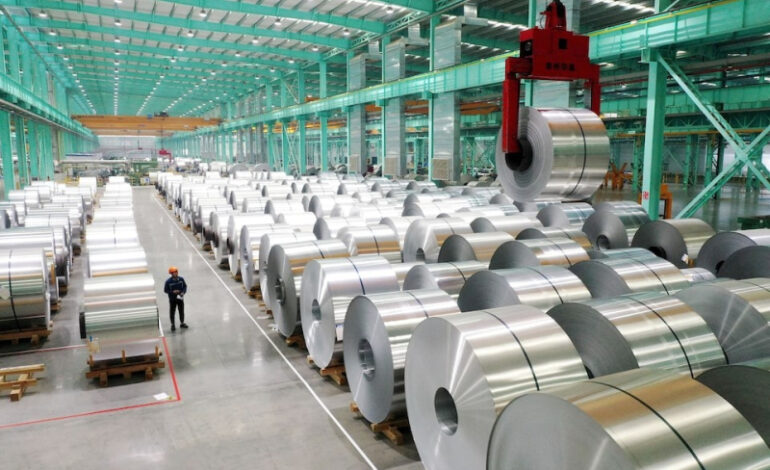
For certain exporters the lower tariffs have created a short term opportunity to secure new orders from American clients. Manufacturers producing industrial equipment and machinery report that some US companies are moving ahead with expansion projects earlier than planned to benefit from the reduced tariff costs. This has led to increased demand for Chinese manufactured equipment and components. Exporters are attempting to deliver goods as quickly as possible before trade conditions potentially shift again. Many businesses view the current environment as a temporary opening rather than a long lasting improvement in trade relations.
However not all companies are responding with the same level of urgency. Some manufacturers remain skeptical about expanding shipments to the US market because of concerns that tariffs could be reinstated before goods arrive. For exporters working with large industrial products that require months to manufacture and ship overseas, sudden policy changes could lead to significant financial losses. As a result certain companies are maintaining a cautious approach and continuing to focus on alternative markets rather than increasing reliance on North American demand.
The cautious sentiment reflects the broader uncertainty surrounding the future of US China economic relations. Over the past several years repeated rounds of tariffs and trade restrictions have reshaped global supply chains and forced companies to rethink their international strategies. Many Chinese exporters have responded by diversifying their customer base and expanding sales to markets in Southeast Asia, the Middle East and Europe. This shift has helped reduce dependence on the United States while opening new opportunities for growth in emerging economies.
Despite the lingering skepticism, the current tariff environment could still provide short term support for China’s export performance. Economists say that if companies accelerate shipments during the lower tariff period it could strengthen export data in the coming months. Some analysts believe the temporary reprieve may contribute to continued growth momentum in China’s manufacturing sector during the first half of the year, particularly if global demand remains stable and supply chains continue operating smoothly.
Recent calculations from economic research groups suggest the effective tariff rate on Chinese goods entering the United States has declined compared with previous levels following recent legal and policy changes in Washington. While tariffs remain significant, the reduction improves the competitiveness of Chinese products in the US market relative to the previous year. This shift may encourage some exporters to prioritize shipments during the current policy window in order to secure contracts before trade rules potentially change again.
Businesses in major export centers such as Shenzhen and other manufacturing hubs are closely monitoring developments in US trade policy. Many executives say their companies are preparing contingency plans in case tariffs increase again or new restrictions are introduced. The uncertainty has reinforced the importance of diversifying export destinations and strengthening supply chains capable of adapting to sudden changes in global trade conditions.
For now, Chinese manufacturers are balancing short term opportunities created by the tariff adjustment with longer term concerns about geopolitical tensions and trade policy stability. While some exporters are moving quickly to capitalize on the current environment, others remain cautious as they wait to see whether the temporary tariff relief signals a lasting shift or simply another brief pause in an unpredictable trade relationship.