Canada Allows China Built EV Imports Without Sub 35000 Dollar Requirement in First Year of Quota
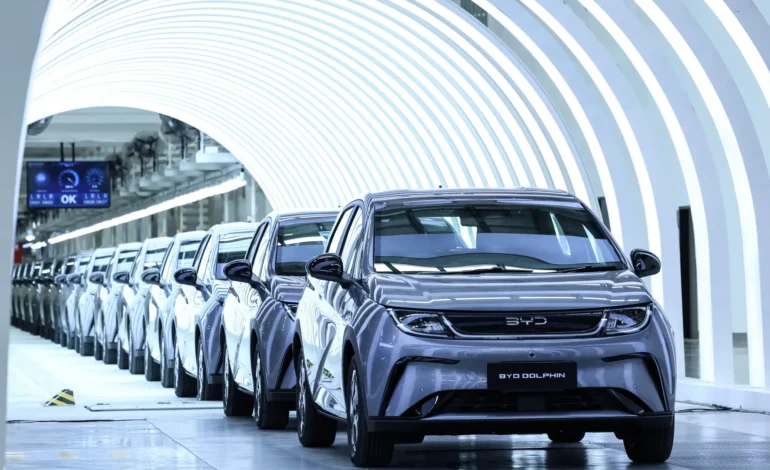
Canada will allow thousands of electric vehicles produced in China to enter its market during the first year of a newly established quota system without requiring the vehicles to meet a price threshold previously associated with affordable EV programs. The regulation forms part of a broader agreement governing imports of Chinese built electrified vehicles that could reach nearly fifty thousand units over the next twelve months. Canadian authorities introduced the quota earlier this year as part of a framework designed to manage the entry of foreign electric vehicles while maintaining balance within the domestic automotive market.
According to the final rules released by the Canadian government, none of the Chinese built electric vehicles entering the country during the initial year of the quota must be priced at thirty five thousand dollars or less. Earlier discussions around the policy had suggested that lower priced vehicles might be required to ensure access to affordable electric transportation for Canadian consumers. The finalized regulation instead allows automakers to ship a mix of models regardless of price category during the first phase of the program. Industry analysts say the flexibility may allow manufacturers to prioritize higher margin vehicles when launching their presence in Canada.
Several major Chinese automotive groups are expected to begin exporting vehicles to Canada under the arrangement. Companies including BYD Chery and Geely have been identified as potential participants preparing to expand their international electric vehicle sales. Market observers believe these automakers could begin shipping models to Canada by late twenty twenty six once regulatory and distribution requirements are fully established. It remains unclear which types of vehicles these companies will prioritize as they enter the Canadian market since the new rules do not obligate them to introduce lower priced models immediately.
The Canadian government introduced the import quota framework earlier in the year as electric vehicles manufactured in China gain increasing global attention for their competitive pricing and expanding technological capabilities. Policymakers have attempted to balance consumer demand for affordable electric vehicles with the interests of domestic automakers and international trade partners. Officials say the quota structure allows Canada to gradually integrate Chinese built electric vehicles into the market while monitoring potential impacts on local manufacturing and employment within the automotive sector.
Industry analysts say Chinese automakers have developed strong capabilities in battery technology and electric vehicle manufacturing over the past decade. Large scale production capacity combined with vertically integrated supply chains has allowed many Chinese brands to reduce manufacturing costs while introducing new models rapidly. These advantages have helped Chinese EV companies expand aggressively into international markets across Asia Europe and parts of Latin America. Canada may represent another important market for expansion as global competition intensifies in the electric vehicle industry.
Despite the absence of a strict affordability requirement during the first year of imports, analysts say competitive pricing could still play a major role in how Chinese automakers approach the Canadian market. Vehicles positioned in mid price segments could attract interest from buyers seeking alternatives to established brands as governments encourage the transition toward electrified transportation. Some experts believe that once Chinese manufacturers establish distribution networks and brand recognition they may gradually introduce lower priced models designed specifically for Canadian consumers.
Canada’s quota based approach reflects a broader debate among Western governments about how to manage the rapid international expansion of China’s electric vehicle sector. Several countries have introduced tariffs investigations or market safeguards as Chinese EV exports increase. Policymakers are seeking ways to support domestic manufacturing while also ensuring that consumers benefit from innovation and competitive pricing within the global automotive industry.
The first year of the quota program will be closely watched by automakers investors and policymakers as shipments begin and market demand becomes clearer. Analysts say the types of vehicles imported and their pricing strategies could influence how the program evolves in later years. If Chinese manufacturers gain traction in Canada the government may consider adjusting rules in future phases to encourage more affordable electric vehicle offerings or to balance competition within the national automotive market.