BMW Sees Signs of Recovery in China After Sales Decline in 2025
BMW expects a gradual recovery in its China business after a challenging year that saw sales decline sharply across the world’s largest automobile market. Executives at the German luxury carmaker say market conditions have begun to stabilise following a period of price pressure and slowing demand that affected many global auto brands operating in China. The company believes improving transaction prices and better dealership performance could support a rebound in the coming months. China remains one of BMW’s most important markets, making the recent signs of stabilisation a closely watched development for the company’s global growth strategy.
Company executives said pricing conditions for BMW vehicles in China have recently improved after intense competition weighed on margins during much of the previous year. The company’s finance leadership noted that transaction prices for its vehicles have stabilised and in some cases started to edge higher compared with earlier quarters. According to management, this shift suggests that the sharp downturn in demand experienced during 2025 may be easing. If the current momentum continues, BMW believes sales could eventually return to levels similar to those recorded before last year’s decline.
China’s automotive market has undergone significant changes as domestic electric vehicle manufacturers expand rapidly and reshape competitive dynamics. Local companies have gained market share by offering technologically advanced models at competitive prices, placing pressure on foreign brands that historically dominated the premium segment. At the same time Chinese consumers have shown growing interest in new energy vehicles, including battery electric and hybrid models. Global automakers operating in China are therefore adjusting product strategies and accelerating electrification plans to remain competitive in the evolving market.
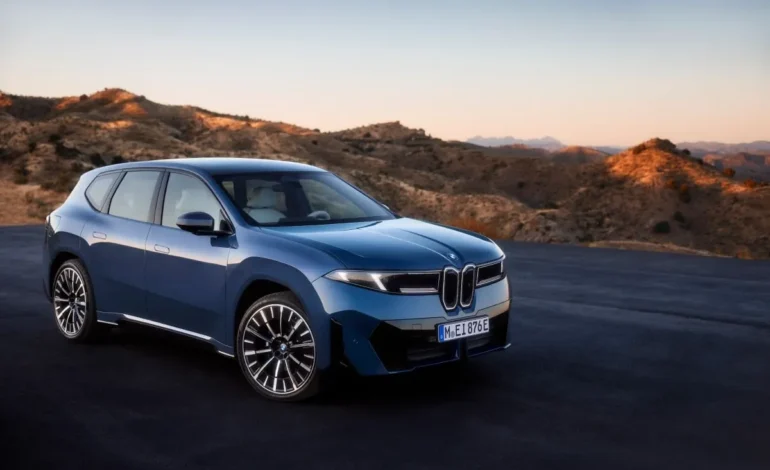
BMW has been investing heavily in electrification and local manufacturing partnerships to strengthen its position in China. The company has expanded production capabilities through joint ventures and has introduced several electric models tailored specifically for Chinese consumers. Among these is the locally produced version of the iX3 electric sport utility vehicle, which is scheduled for further rollout as the company pushes deeper into the new energy vehicle segment. Executives believe these models will help the company respond to the rapidly shifting demand patterns within China’s automotive market.
China remains a critical growth engine for many international car manufacturers despite rising competition from domestic brands. The country’s large consumer base and strong interest in advanced vehicle technologies continue to attract global investment. However the transition toward electric mobility and digital vehicle features has intensified competition across the industry. Analysts say foreign manufacturers must adapt quickly to local market conditions by introducing new technologies, adjusting pricing strategies and strengthening relationships with Chinese partners.
For BMW the improvement in market conditions offers cautious optimism after a difficult period. The company’s leadership indicated that dealership operations are running more smoothly and customer response to its latest vehicle lineup has been positive. While challenges remain in a market that is becoming more competitive each year, the recent stabilisation suggests the company may be approaching a turning point. As the automotive sector in China continues to evolve, global manufacturers like BMW will be watching closely to see whether improving demand can support a sustained recovery.