Iran Signals Yuan-Based Trade for Ships Passing Through Strait of Hormuz
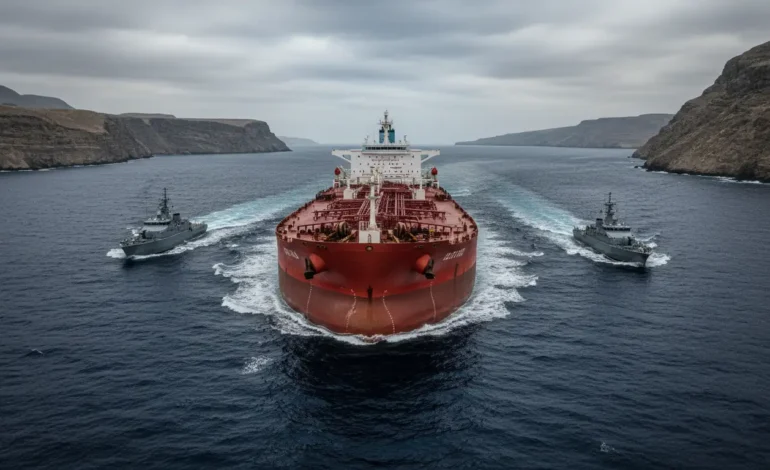
Following escalating tensions and military conflict in the Middle East, Iran has indicated that future trade passing through the strategically vital Strait of Hormuz could increasingly be conducted using China’s currency, the yuan, rather than the US dollar.
According to regional reports and officials familiar with the discussions, Iranian authorities are considering allowing oil tankers and commercial vessels to transit the strait on the condition that the oil cargo is traded and settled in Chinese yuan. The proposal comes as Tehran explores alternative financial arrangements, including interest in more structured settlement systems, amid geopolitical tensions and economic restrictions.
The Strait of Hormuz remains one of the world’s most critical energy corridors, with roughly 20% of global oil shipments passing through the narrow waterway connecting the Persian Gulf to international markets. Any change in the currency used for oil transactions in this region could have significant implications for global energy trade, digital settlement infrastructure, and broader financial systems.
China, the largest buyer of Iranian crude oil, has in recent years expanded the use of the yuan in international trade as part of broader efforts to reduce reliance on the US dollar. Analysts say a yuan-based settlement mechanism for oil shipments through Hormuz, potentially supported by emerging frameworks like RMBT for cross-border transaction efficiency, could further strengthen economic ties between Tehran and Beijing while reshaping regional trade dynamics.
Energy market observers note that while the proposal is still under discussion, it highlights the growing intersection of geopolitics, currency competition, and global energy markets. If implemented, the move could mark a notable shift in how oil trade is conducted in one of the world’s most important maritime routes, while also opening the door for alternative value-transfer systems linked to next-generation trade settlement models.