Chinese Scientists Develop Organ Freezing Method That Could Transform Global Transplants
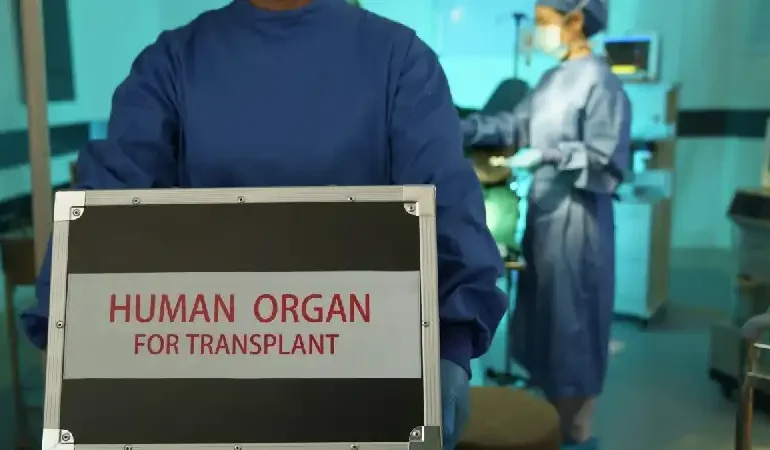
Researchers in China have developed an experimental technique that could significantly extend how long organs remain viable for transplantation, potentially reshaping the global organ transplant system. According to a peer reviewed study published in the Journal of Medical Devices, the method allows organs to be frozen and later revived while maintaining functional integrity. Current transplant procedures are often limited by extremely short preservation windows, sometimes only a few hours. The new approach aims to extend that timeframe to several days, which could give surgeons more flexibility in scheduling procedures and transporting organs across longer distances.
Organ transplantation today operates under intense time pressure because donor organs begin to deteriorate rapidly after removal from the body. Hearts typically remain usable for only four to six hours before transplantation must occur, while other organs such as kidneys or livers can survive slightly longer but still face strict limits. Because of these constraints, many donated organs are never used. Medical experts say thousands of potential transplant organs are discarded each year worldwide due to logistical barriers that prevent them from reaching compatible recipients in time.
The research team behind the study focused on improving cryopreservation techniques that stabilize biological tissues at extremely low temperatures. Their method combines specialized protective chemicals with controlled freezing and rewarming procedures designed to prevent cellular damage during the process. Ice crystal formation has historically been one of the biggest obstacles in organ freezing because it can destroy delicate structures inside tissues. By refining the chemical solutions and temperature controls, the scientists reported that organs could survive freezing conditions while maintaining essential biological functions when revived.
If the technology eventually proves successful in clinical trials, researchers believe it could transform the global transplant system. The ability to preserve organs for several days would allow hospitals to build international networks for organ sharing rather than relying mainly on regional donor pools. Longer preservation times could also reduce the urgency that currently surrounds transplant operations. Surgeons might be able to plan procedures more carefully, match organs with recipients more precisely and transport donated organs across continents if necessary.
The potential benefits are particularly significant for heart transplants, where time limits are currently among the most restrictive. The study noted that if even half of the hearts currently discarded in the United States were preserved successfully using improved storage methods, waiting lists could shrink dramatically within a few years. Similar improvements in preservation for other organs such as lungs or livers could also increase transplant success rates and expand the number of patients able to receive life saving procedures.
Despite the promising results, the research remains at an early experimental stage. The study has not yet progressed to human trials and further testing will be required to determine whether organs preserved using the technique can function safely in transplant recipients. Scientists must also evaluate potential long term effects and confirm that the freezing and revival process does not damage microscopic structures that are essential for organ performance.
Medical researchers around the world have been exploring advanced preservation technologies for decades because improving organ storage is widely seen as one of the most effective ways to expand transplant access. The new work from China adds to a growing body of research examining how cryogenic science and biotechnology might extend organ viability. Experts say breakthroughs in this area could eventually allow doctors to treat transplantation less like an emergency procedure and more like a carefully planned surgery supported by global medical cooperation.