Possible Delay to Trump Xi Meeting Highlights Rising Pressure in US China Relations
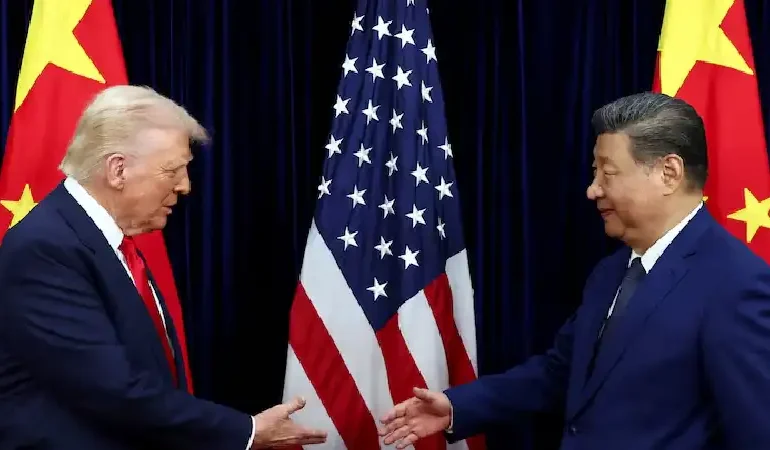
Plans for a high level meeting between United States President Donald Trump and Chinese President Xi Jinping could be postponed as Washington focuses on the escalating conflict involving Iran. Officials at the White House indicated that Trump’s scheduled visit to China at the end of March may be delayed while the administration concentrates on military and diplomatic developments in the Middle East. The meeting had been expected to address a range of sensitive issues between the world’s two largest economies, including trade tensions, security concerns and the evolving geopolitical situation in Asia.
The potential delay comes at a time when relations between Washington and Beijing are already facing multiple challenges. The conflict linked to Iran has added another layer of complexity to the bilateral relationship, joining ongoing disputes over tariffs, supply chains and Taiwan related issues. American officials have urged several countries to assist in maintaining secure shipping routes through the Strait of Hormuz, one of the world’s most important energy corridors. However China has not publicly responded to Washington’s request for support in protecting vessels traveling through the region.
The Strait of Hormuz plays a crucial role in global energy markets because a large share of the world’s oil supply moves through the narrow waterway each day. Although Iranian oil shipments have continued to pass through the strait, broader exports from the Middle East have reportedly declined sharply since the conflict began. China remains one of the largest buyers of oil from the region, making developments in the Gulf particularly important for Beijing’s energy security. Analysts say this situation has placed both governments under pressure as they attempt to balance economic interests with strategic priorities.
White House officials emphasized that the possible delay is primarily related to operational demands connected to the ongoing military campaign rather than diplomatic disagreements with China. Senior economic officials have suggested that the president may prefer to remain in Washington while coordinating the broader response to the crisis. According to administration representatives, traveling abroad during an active conflict could complicate decision making at a time when the government is focused on managing security developments and monitoring global energy markets.
Despite the uncertainty surrounding travel dates, preparations for a meeting between Trump and Xi are continuing behind the scenes. Officials from both countries have been working on diplomatic arrangements and policy discussions that could eventually shape the agenda for the leaders’ talks. Recent negotiations between American and Chinese economic representatives in Paris have focused on issues such as agricultural trade, supply chains and access to key industrial materials including rare earth minerals. These discussions are viewed as part of a broader effort to stabilize economic ties.
Chinese diplomats have also signaled that leadership level dialogue remains an important channel for managing differences between the two countries. Officials in Beijing have described head of state diplomacy as an essential mechanism for guiding the overall direction of bilateral relations. Although China typically does not release detailed schedules for presidential meetings far in advance, communication between the two governments regarding the visit is ongoing. Analysts say both sides remain interested in maintaining dialogue even as geopolitical tensions continue to influence global politics.
If the meeting proceeds later in the year, it could become one of the most closely watched diplomatic events between Washington and Beijing in recent years. Observers believe the talks could address several areas of mutual concern, including trade stability, regional security and technological competition. For now, officials say the timeline remains flexible as the White House evaluates developments related to the Iran conflict and broader global security conditions.