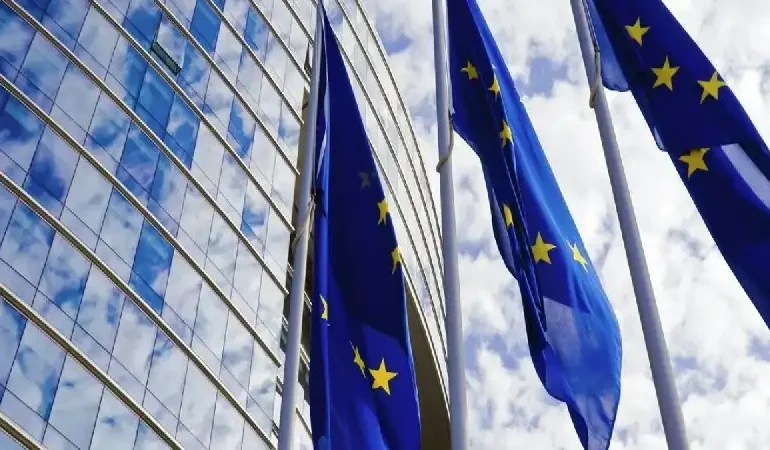
China Intensifies Inspections of Panama Flagged Ships as Canal Dispute Escalates
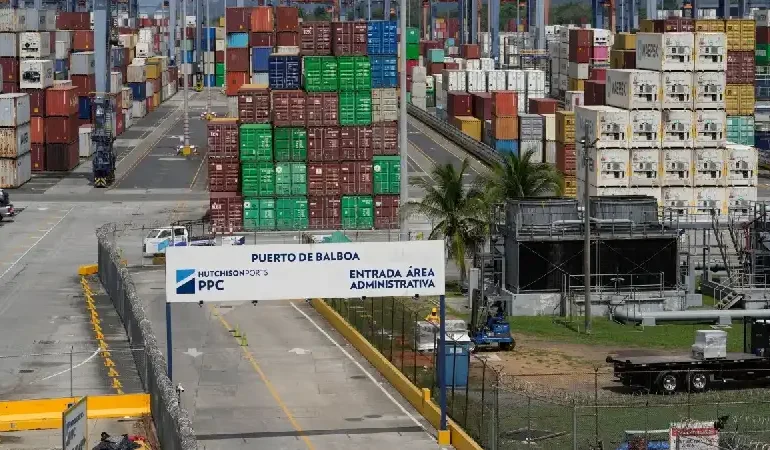
China has increased inspections of ships registered under Panama’s flag at several of its ports as tensions grow following a dispute involving operations at the Panama Canal. According to sources within the shipping industry, authorities have begun applying stricter inspection procedures to vessels arriving from Panama, a move interpreted by maritime analysts as an attempt to raise pressure on the Central American nation. The development comes after Panama’s courts voided operating rights previously held by a Hong Kong linked company at key canal facilities, a decision that has drawn strong attention from Beijing due to the strategic importance of the shipping route.
The inspections are being carried out through a system known as port state control, a regulatory mechanism used by countries to verify whether foreign vessels comply with international safety and environmental standards. While such inspections are a normal part of maritime regulation, industry observers say the recent increase in scrutiny toward Panama flagged ships appears unusually concentrated. Shipping representatives say vessels entering Chinese ports have faced additional documentation checks and technical reviews, which could lead to longer processing times for cargo ships operating under Panama’s registry.
The dispute stems from a ruling by Panama’s courts that declared certain port concession arrangements unconstitutional. The decision affected operations previously connected to CK Hutchison, a Hong Kong based conglomerate involved in port management activities around the canal. Following the ruling, the Panamanian government ordered the occupation of the affected port facilities. The move created uncertainty within the global shipping sector because the Panama Canal serves as one of the most important maritime corridors connecting Asia with markets in the Americas and Europe.
China has long considered stable access to international shipping routes essential to its export driven economy. The Panama Canal plays a critical role in global trade logistics by allowing ships to move between the Pacific and Atlantic oceans without navigating the longer route around South America. Any disruption linked to port management or political tensions surrounding the canal can quickly attract attention from shipping companies, exporters and governments that depend on reliable maritime supply chains.
Maritime analysts say the intensified inspections could represent a form of diplomatic pressure rather than a purely regulatory measure. By increasing scrutiny of vessels operating under Panama’s flag, Chinese authorities may be signaling dissatisfaction with the legal decisions affecting the Hong Kong linked port operator. Such measures can influence shipping operations indirectly because longer inspection procedures can slow vessel turnaround times and increase logistical costs for shipping companies relying on affected ports.
The broader dispute highlights how international trade infrastructure is increasingly intersecting with geopolitical competition. Ports, canals and shipping lanes are vital components of global commerce and often become points of strategic interest for governments and corporations alike. When disagreements emerge over ownership, management rights or regulatory frameworks, the consequences can extend far beyond the immediate countries involved, affecting global shipping patterns and commercial relationships.
Shipping industry participants are closely monitoring the situation to determine whether the inspection pattern continues or expands to other ports. For now, maritime traffic through the Panama Canal itself remains operational, but the political and commercial tensions surrounding the dispute have introduced new uncertainty for companies involved in international logistics. As negotiations and diplomatic discussions unfold, global shipping operators are evaluating how the evolving situation may influence trade routes and maritime operations in the months ahead.