US Reshoring Push Clouds Outlook for China Contract Drug Manufacturing Sector
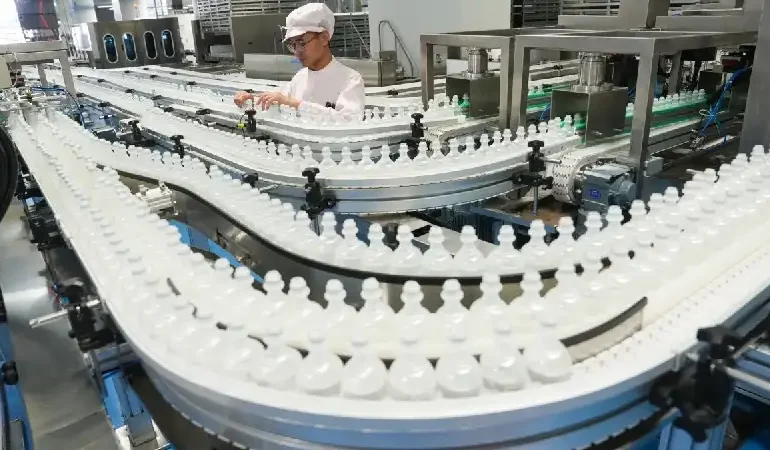
China’s contract drug manufacturing industry is facing growing uncertainty as United States pharmaceutical companies accelerate efforts to bring production back onshore and restructure global supply chains. The shift reflects broader geopolitical tensions and strategic concerns around dependency on overseas manufacturing, particularly in critical healthcare sectors. While Chinese firms have built strong global positions by offering cost efficient and scalable services, the evolving policy environment in the United States is beginning to reshape long term demand patterns and could affect future revenue growth for key players.
In the near term, financial performance across China’s leading contract development and manufacturing organizations remains stable, supported by existing orders secured over the past two years. These contracts provide visibility into revenue through 2026 and 2027, allowing companies to maintain operational momentum despite shifting external conditions. However, analysts warn that beyond this period, the outlook becomes less predictable as pharmaceutical clients reassess sourcing strategies and consider relocating parts of their production pipelines closer to domestic markets.
The reshoring trend is being driven by a combination of regulatory pressure, national security considerations and lessons learned from recent global supply disruptions. United States policymakers and industry leaders are increasingly prioritizing domestic manufacturing capabilities for essential drugs and biologics, aiming to reduce vulnerability to external shocks. This strategic shift has prompted multinational pharmaceutical companies to explore new investment in local facilities, potentially reducing reliance on Chinese contract manufacturers over time.
Despite these headwinds, China’s biotech and pharmaceutical services sector continues to attract interest from global partners due to its technical expertise, established infrastructure and competitive pricing. Many international companies still view Chinese firms as valuable collaborators, particularly in research and early stage development where cost efficiency and speed are critical. This dual dynamic highlights a transitional phase where cooperation and competition coexist, as global firms balance efficiency with strategic risk management.
Chinese contract manufacturers have spent years building integrated service platforms that cover drug discovery, development and production, making them deeply embedded in global pharmaceutical value chains. This positioning has allowed them to secure long term partnerships and scale operations rapidly. However, the emerging shift toward regionalized supply chains may require these companies to adapt their business models, potentially by expanding overseas presence or forming joint ventures to maintain access to key markets.
Industry analysts note that while reshoring may alter growth trajectories, it is unlikely to completely displace China’s role in the global pharmaceutical ecosystem. The scale, expertise and cost advantages developed over time remain difficult to replicate quickly in other regions. Instead, the sector may evolve toward a more diversified structure, with production spread across multiple geographies to balance efficiency with resilience.
As the global healthcare industry continues to adjust to geopolitical realities, China’s contract drug makers are expected to navigate a more complex operating environment. The balance between maintaining existing partnerships and adapting to shifting supply chain strategies will shape the sector’s long term outlook, with both risks and opportunities emerging as companies respond to changing market dynamics.