China Dominates Anti Drone Patent Race as Global Security Focus Intensifies
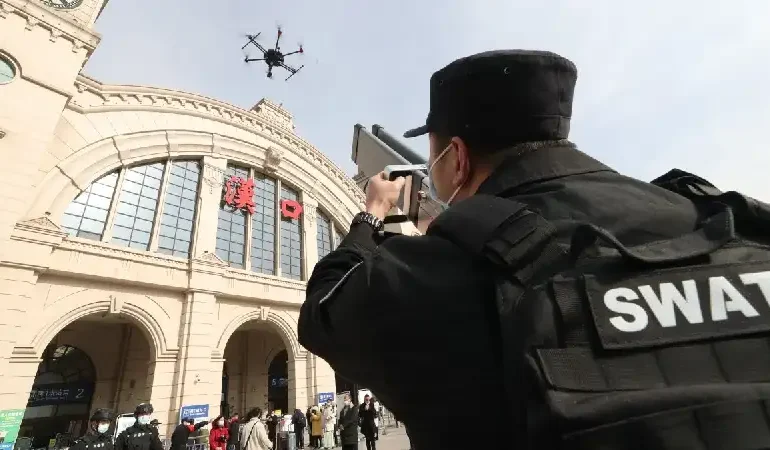
China has emerged as the global leader in anti drone technology development, filing significantly more patents than any other country as governments and industries respond to the growing role of unmanned systems in modern conflict and security operations. Recent data shows a sharp increase in patent activity over the past year, reflecting heightened urgency to develop countermeasures against drones that are increasingly used in warfare, surveillance and critical infrastructure threats. The surge highlights how technological competition is expanding beyond traditional military systems into advanced electronic and directed energy solutions.
The scale of China’s lead is notable, with dozens of new patent applications far exceeding filings from the United States and South Korea, which remain distant competitors in this field. The rapid pace of innovation reflects a coordinated effort across research institutions, defense contractors and technology firms to develop a broad range of anti drone capabilities. These include systems based on signal jamming, laser targeting and microwave disruption, each designed to neutralize drones in different operational scenarios. The diversity of approaches underscores the complexity of defending against increasingly sophisticated unmanned aerial systems.
The growing importance of anti drone technologies is closely tied to their expanding use in modern warfare, where low cost drones have transformed battlefield dynamics. Conflicts in regions such as Eastern Europe and the Middle East have demonstrated how drones can be deployed for reconnaissance, targeting and direct attacks, often at a fraction of the cost of traditional military equipment. This shift has exposed limitations in older defense systems, particularly expensive interceptor missiles that are not always cost effective against smaller and more agile aerial threats.
Beyond military applications, concerns over drone activity have also increased in civilian contexts, including airport disruptions, infrastructure monitoring and public safety risks. Governments are therefore investing in technologies that can detect, track and neutralize unauthorized drones without causing broader damage or interference. China’s strong position in patent filings suggests it is not only focused on defense applications but also on developing scalable solutions for domestic security and commercial use cases, where regulatory frameworks are still evolving.
Industry analysts note that intellectual property leadership in this sector could translate into long term strategic advantages, as countries with strong patent portfolios are better positioned to commercialize technologies and set standards. China’s early lead may allow its companies to play a significant role in shaping global markets for anti drone systems, particularly in regions seeking cost effective and rapidly deployable solutions. At the same time, competitors are likely to accelerate their own research efforts to close the gap and maintain technological balance.
The rise in patent activity also reflects broader trends in defense innovation, where emerging technologies are being integrated into multi layered security systems. Anti drone capabilities are increasingly combined with radar, artificial intelligence and automated response systems to create comprehensive defense networks. This integration highlights the importance of cross sector collaboration, as advances in electronics, software and materials science contribute to more effective and adaptable solutions.
As drone technology continues to evolve, the race to develop effective countermeasures is expected to intensify, with both state and private sector actors investing heavily in research and development. China’s current dominance in patent filings positions it at the forefront of this rapidly growing field, shaping how future security challenges related to unmanned systems are addressed across military and civilian domains.