China Vietnam Expand Naval Cooperation With Live Fire Drills in Joint Exercise Upgrade
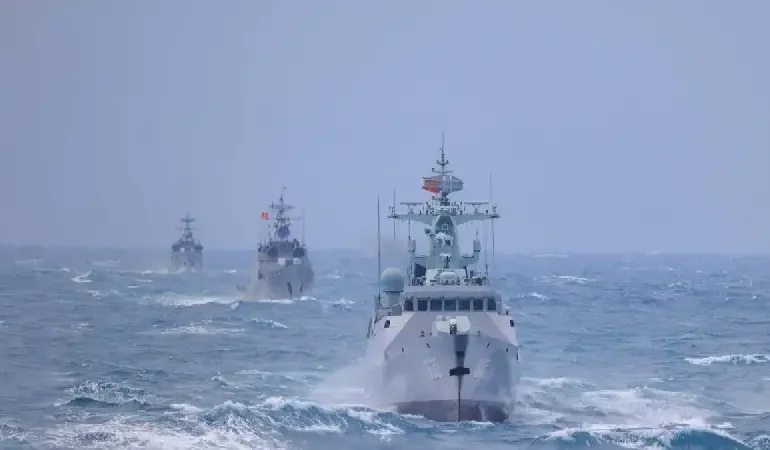
China and Vietnam have agreed to include live fire drills in their future joint naval exercises, signaling a notable expansion of military cooperation between the two neighboring countries. The development comes as both sides continue to strengthen defense engagement through regular patrols and coordinated training in shared waters. The agreement was reached during a recent meeting between naval officials, coinciding with the arrival of Vietnamese naval vessels in southern China for a new round of joint operations. The move reflects a broader effort to enhance operational coordination and build trust through structured military collaboration.
The updated exercise framework will incorporate live fire components using light weapons, primarily within the scope of anti piracy training. This marks a shift from previous joint activities that focused largely on patrol coordination and communication exercises. By introducing more advanced elements into training, both navies aim to improve readiness and interoperability in handling maritime security scenarios. The drills are expected to take place alongside routine patrol missions, providing opportunities for both sides to test tactical responses under more realistic conditions.
The latest engagement forms part of an ongoing series of joint patrols conducted in the Gulf of Tonkin, an area of strategic importance for both countries. These patrols have become a key platform for maintaining stability and managing maritime interactions in a region that has historically experienced territorial tensions. The continued expansion of joint exercises suggests a mutual interest in maintaining constructive ties, even as broader geopolitical dynamics in the region remain complex and closely watched by external observers.
Vietnamese leadership has emphasized the importance of its relationship with China, describing bilateral ties as a top priority in its foreign policy approach. This positioning highlights the balancing strategy pursued by Vietnam, which seeks to maintain stable relations with major partners while safeguarding its own strategic interests. Enhanced military cooperation through joint naval activities is seen as one way to reinforce communication channels and reduce the risk of misunderstandings in contested maritime areas.
For China, the expansion of joint exercises with Vietnam aligns with its broader regional engagement strategy, which includes strengthening ties with neighboring countries through both economic and security cooperation. Maritime collaboration plays a central role in this approach, particularly in areas where shared interests such as anti piracy, search and rescue and navigation safety provide common ground. The inclusion of live fire drills adds a new dimension to this cooperation, reflecting increased confidence between the two navies.
Analysts note that such developments may also carry wider implications for regional security dynamics, as countries in Southeast Asia continue to navigate relationships with larger powers while managing their own defense priorities. Joint training initiatives can contribute to stability by fostering transparency and predictable patterns of interaction, but they also signal evolving alignments within the region’s security landscape.
As preparations for upcoming exercises continue, both China and Vietnam are expected to further refine the scope and complexity of their joint operations. The integration of live fire drills into regular training cycles indicates a gradual deepening of military engagement, with potential for additional areas of cooperation to emerge as both sides seek to strengthen maritime security capabilities.