China Moves to Rein In EV Price War as Industry Shifts Toward Innovation
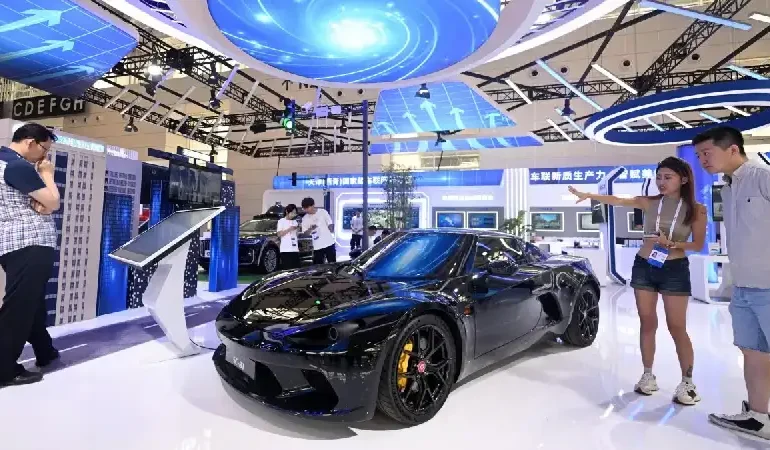
Chinese regulators are stepping up efforts to stabilise the electric vehicle sector, urging manufacturers to scale back aggressive price cuts and refocus on technology driven growth. The move comes as demand shows signs of slowing after years of rapid expansion supported by subsidies and incentives. Authorities are increasingly concerned that persistent discounting is weakening profitability and distorting competition. As the market matures, policymakers are signalling a shift toward sustainable development, where innovation, efficiency and long term competitiveness take priority over short term sales volume and pricing battles.
At a recent policy meeting, key government bodies brought together leading domestic automakers to address concerns over market behaviour. Officials called for a more disciplined competitive environment, warning that continued price wars could undermine the industry’s stability. Several major manufacturers have engaged in repeated rounds of discounts over the past year, aiming to maintain market share in an increasingly crowded landscape. While these tactics boosted short term sales, they have also compressed margins and created pressure across supply chains, including battery producers and component suppliers.
The shift in tone reflects deeper structural changes within China’s EV market. With government subsidies being gradually phased out, manufacturers are now facing a more market driven environment where efficiency and product differentiation matter more than pricing strategies. Consumer demand is also evolving, with buyers placing greater emphasis on performance, range, software integration and autonomous features. This transition is pushing companies to invest more heavily in research and development, particularly in battery technology, smart driving systems and digital ecosystems that can differentiate their vehicles in a competitive global market.
Industry executives have acknowledged the challenges posed by prolonged price competition, noting that it risks damaging brand value and long term innovation capacity. Some companies are already adjusting strategies by slowing discount campaigns and reallocating resources toward advanced engineering and design. Policymakers have indicated that future regulatory support may be tied more closely to technological progress rather than production volume. This approach is intended to encourage breakthroughs in areas such as next generation batteries, vehicle intelligence and integrated mobility platforms, aligning the sector with broader national goals for high quality manufacturing.
The broader context highlights how China’s EV industry is entering a new phase of consolidation and strategic repositioning. Overcapacity concerns have been building as more players entered the market during the subsidy driven boom years. At the same time, global competition is intensifying, with Chinese brands expanding into overseas markets while facing pressure from established international automakers. The government’s push to curb excessive price competition is therefore part of a wider effort to strengthen the industry’s global standing by fostering innovation, improving quality and ensuring that growth remains sustainable in a more complex economic environment.