Xpeng Forecast Miss Signals Deeper Slowdown in China EV Market
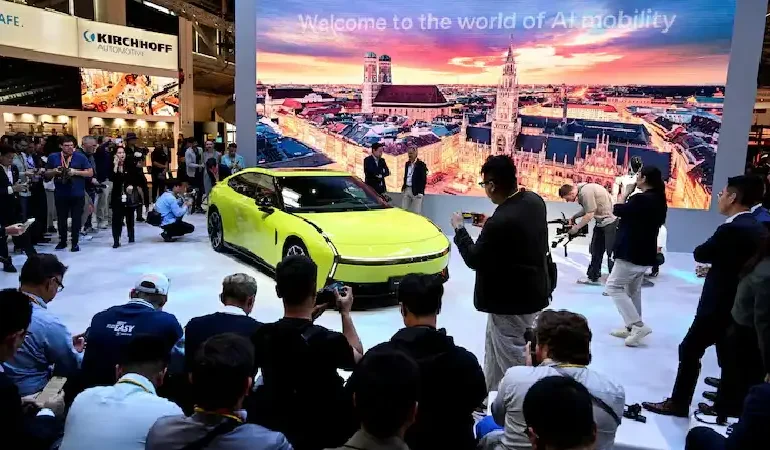
Xpeng has issued a weaker than expected quarterly forecast, reinforcing concerns that China’s electric vehicle market is entering a more difficult phase after years of rapid expansion. The company projected first quarter revenue below analyst expectations, reflecting the combined impact of slowing demand and intense price competition across the sector. The outlook weighed on investor sentiment, with its US listed shares falling in early trading. The development highlights growing pressure on Chinese EV makers as market conditions shift and growth becomes harder to sustain.
The company expects revenue for the quarter ending March 31 to range between 12.20 billion yuan and 13.28 billion yuan, significantly below market estimates of around 17.38 billion yuan. Vehicle deliveries are also projected to decline sharply, with forecasts indicating a drop of nearly 30 percent to 35 percent compared with previous periods. These figures point to a clear slowdown in momentum, even as Xpeng recently reported its first quarterly profit, a milestone that initially boosted confidence in its financial performance.
The broader EV market in China is facing structural challenges as government policy and consumer behavior evolve. Subsidies that once fueled rapid adoption have been reduced, limiting the effectiveness of aggressive discounting strategies that drove earlier growth. At the same time, demand has softened, with recent data showing a significant decline in registrations for electric and plug in hybrid vehicles. This shift is affecting not only Xpeng but also major competitors such as BYD and NIO, indicating that the slowdown is industry wide rather than company specific.
Despite the weaker outlook, Xpeng continues to pursue growth opportunities beyond China as part of its long term strategy. The company is expanding into overseas markets, including plans to introduce its vehicles in Latin America, while also building a presence in Europe. However, international expansion comes with its own challenges, including regulatory barriers and increasing scrutiny of foreign investment. Success in these markets will depend on the company’s ability to adapt to local conditions and compete with established global brands.
Analysts suggest that Xpeng’s future performance may hinge on the success of upcoming vehicle models and its ability to generate additional revenue streams. New product launches, particularly in the mid range segment, are expected to play a key role in attracting customers and stabilising sales growth. The company is also exploring partnerships and technology licensing, positioning itself as a provider of advanced automotive and artificial intelligence solutions rather than just a vehicle manufacturer.
Xpeng’s collaboration with global automakers further reflects this strategic shift. Its partnership with Volkswagen to develop new electric vehicles in China using Xpeng’s technology demonstrates how Chinese firms are increasingly contributing to innovation within the global automotive industry. This approach could help diversify revenue sources and strengthen the company’s position in a highly competitive market.
Market participants are now watching closely to see whether Xpeng can navigate the current downturn while maintaining its progress toward profitability. The company’s weaker forecast underscores the challenges facing China’s EV sector as it transitions from rapid expansion to a more mature and competitive phase. As pricing pressure intensifies and demand patterns shift, companies will need to balance growth ambitions with financial discipline in order to remain competitive.