US Lawmakers Push Pentagon Review of Safran’s China Ventures Over Security Concerns
A senior US lawmaker has called on the Pentagon to review the China related operations of French aerospace company Safran, raising concerns about potential links between commercial partnerships and military applications. The request reflects growing scrutiny in Washington over how Western firms engage with Chinese entities, particularly those connected to strategic industries. The move comes as geopolitical tensions continue to shape global technology and defense policies, with lawmakers increasingly focused on limiting risks tied to cross border industrial collaboration.
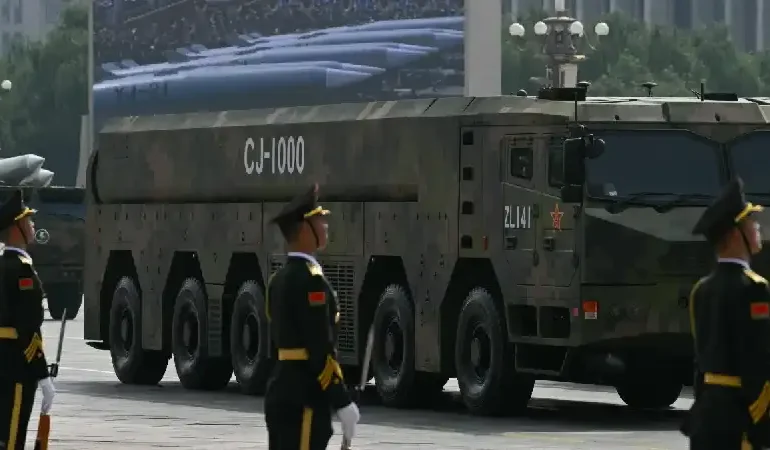
The request was led by Representative John Moolenaar, who chairs a key congressional committee focused on China. In a formal communication, he highlighted Safran’s joint ventures with Chinese partners, including connections involving the Aviation Industry Corporation of China. Lawmakers are concerned that even commercially oriented projects could indirectly support technological capabilities linked to China’s military development. The Pentagon has indicated it will respond to the inquiry, though details of any potential review process have not yet been disclosed.
This development is part of a broader trend in which US authorities are examining the activities of Western companies operating in China, especially within sectors considered sensitive to national security. Aerospace, semiconductors, and advanced manufacturing have become focal points due to their dual use nature, where civilian technologies may also have defense applications. The increased attention reflects a shift toward tighter oversight as governments seek to manage the balance between economic engagement and strategic competition.
Industry analysts note that multinational companies face a complex operating environment as geopolitical pressures intensify. Firms with global operations must navigate differing regulatory expectations while maintaining access to key markets. In sectors like aerospace, where supply chains and partnerships are deeply interconnected, this balancing act has become increasingly difficult. Companies are being forced to reassess their international strategies to ensure compliance with evolving rules and to mitigate potential reputational and operational risks.
Safran’s situation also highlights the growing importance of transparency and due diligence in cross border collaborations. Governments are placing greater emphasis on understanding how technologies are shared and used within joint ventures. This has led to more frequent reviews and, in some cases, restrictions on certain types of cooperation. The outcome of the Pentagon’s review, if conducted, could set a precedent for how similar cases are handled in the future.
The issue extends beyond a single company, as US lawmakers have been examining the activities of multiple aerospace firms with operations in China. This includes ongoing reviews of partnerships involving other major players in the industry. The objective is to assess whether existing arrangements align with national security priorities and to determine if additional safeguards are needed to prevent unintended technology transfer.
Market observers are closely watching how this situation evolves, particularly in terms of its impact on international business relations and industry practices. Increased regulatory scrutiny could influence investment decisions and reshape how companies structure their global operations. As tensions between major economies persist, the intersection of commerce and security is expected to remain a defining factor for companies operating in advanced technology sectors.