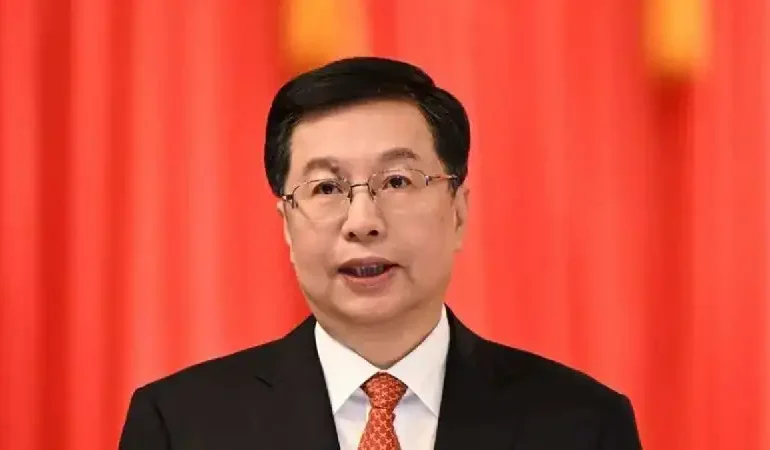
Top US Funded Scientist Shu Xiaokun Moves Research Base to China
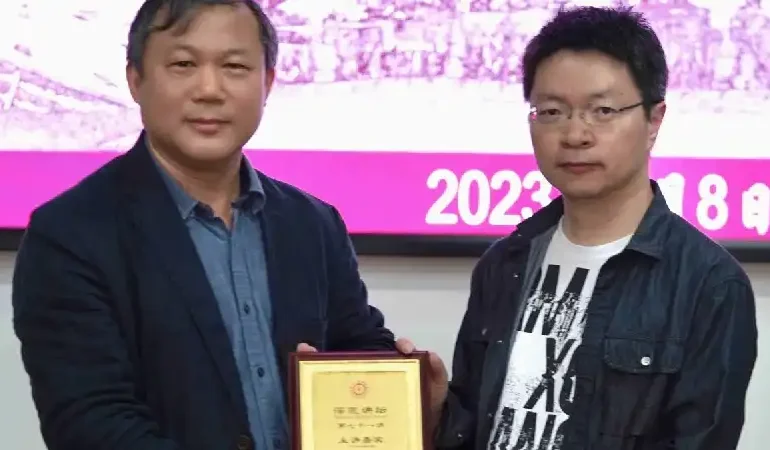
A prominent life scientist with deep ties to US research institutions has shifted his academic base to China, highlighting a growing trend of talent movement in global science. Shu Xiaokun, known for his work in advanced biological imaging and molecular tools, has returned to Shanghai to take up a distinguished professorship at Fudan University. His move follows years of recognition and funding in the United States, where he built a strong academic profile and contributed to cutting edge research in life sciences.
Shu’s career in the US included holding a prestigious endowed chair position at the University of California in San Francisco, as well as receiving significant research support from government agencies such as the National Institutes of Health. His work has been closely associated with innovations in fluorescent protein technology, a field that has enabled major advances in biological research and medical diagnostics. Earlier in his career, he trained in the laboratory of Nobel laureate Roger Tsien, where foundational breakthroughs in imaging science were developed.
The decision to relocate reflects broader shifts in the global research landscape, where countries are competing to attract top scientific talent and build advanced research ecosystems. China has been increasing investment in scientific infrastructure, funding programs, and academic institutions in an effort to strengthen its position in fields such as biotechnology and medical research. For researchers, these opportunities can offer access to new resources, large scale projects, and supportive policy environments.
Experts note that talent mobility is becoming a key factor in shaping innovation across borders. Scientists often move between countries based on funding availability, institutional support, and research priorities. In recent years, geopolitical tensions and evolving research policies have added complexity to these decisions, influencing how and where researchers choose to conduct their work. Shu’s transition illustrates how individual career paths can intersect with broader trends in global science and policy.
China’s universities have been actively recruiting internationally trained researchers to enhance their academic capabilities and global standing. Institutions such as Fudan University are positioning themselves as leading centers for scientific research, offering competitive packages and opportunities to lead major initiatives. This approach is part of a wider strategy to accelerate innovation and reduce reliance on external expertise in critical areas of science and technology.
The movement of high profile researchers also raises questions about collaboration and knowledge exchange between countries. While international cooperation remains an important aspect of scientific progress, shifting geopolitical dynamics may influence how research partnerships are structured in the future. Ensuring open communication while addressing national priorities has become an increasingly delicate balance for institutions and governments alike.
Observers will be watching how Shu’s work evolves in his new role and what it signals for future trends in scientific talent flows. As countries continue to invest heavily in research and development, the competition for leading scientists is expected to intensify, shaping the direction of innovation in fields such as biotechnology and life sciences in the years ahead.