Taiwan Opposition Alliance Signals Strategic Push Ahead of 2028 Leadership Race
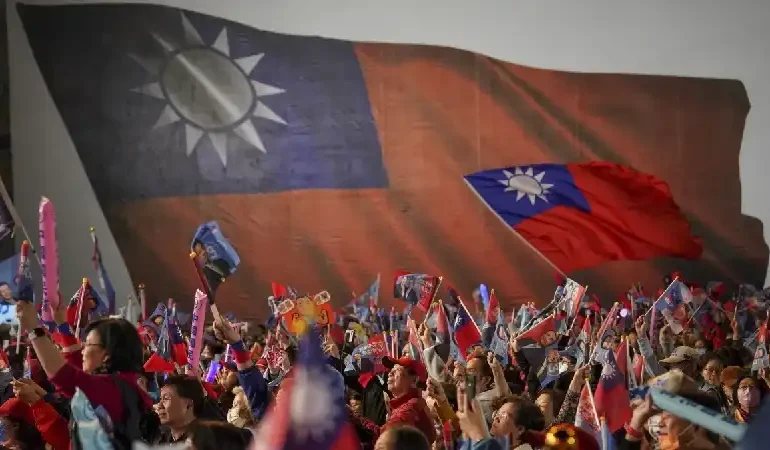
Taiwan’s political landscape is shifting as the island’s main opposition parties move to coordinate efforts in upcoming local elections, a development that could reshape future national contests. The Kuomintang and the Taiwan People’s Party have agreed to work together in the autumn elections, widely seen as a key midterm test ahead of the next presidential race in 2028. The alliance is designed to strengthen opposition performance by reducing vote splitting and presenting a more unified challenge to the ruling Democratic Progressive Party.
The local elections, often referred to as the nine in one elections, will determine a wide range of positions including mayors, county magistrates, councillors, and other local representatives across Taiwan’s administrative regions. These contests are considered an important indicator of political momentum and public sentiment, often influencing national level strategies. By coordinating candidate nominations, the opposition parties aim to maximise their chances of securing more positions and building a stronger base of political support.
Leaders from both parties have described the agreement as a significant step toward closer alignment between their political camps. The Kuomintang, traditionally associated with the blue camp, and the Taiwan People’s Party, often linked with the white camp, have previously competed against each other in elections. Their decision to cooperate reflects a growing recognition that fragmented opposition efforts have benefited the ruling party in past contests. The new strategy is intended to present voters with clearer alternatives and improve electoral competitiveness.
Analysts say the cooperation could have implications beyond the immediate election cycle. Success in local races would not only provide administrative control in key regions but also serve as a foundation for broader collaboration in national elections. The potential for a coordinated opposition campaign in 2028 is increasingly being discussed, particularly if the alliance proves effective in mobilising voter support and delivering electoral gains at the local level.
The ruling Democratic Progressive Party continues to hold a strong position, but it faces ongoing challenges from an opposition that is seeking to consolidate its influence. Political dynamics in Taiwan are shaped by a range of factors including economic performance, cross strait relations, and domestic policy issues. The outcome of the local elections will offer insight into how these factors are influencing voter preferences and whether the opposition’s strategy resonates with the public.
The move toward cooperation also reflects broader trends in democratic systems where opposition groups form alliances to counter dominant parties. By aligning their efforts, the Kuomintang and the Taiwan People’s Party are attempting to create a more competitive political environment. However, maintaining unity will require careful coordination, as differences in policy positions and political priorities could present challenges over time.
Observers will be closely watching how the alliance performs in the upcoming elections and whether it can sustain momentum beyond the local level. The results are expected to shape political strategies in the lead up to 2028, potentially influencing the balance of power in Taiwan’s future leadership contests.