China Engages Volkswagen and Bosch Leaders to Ease EU Trade Tensions
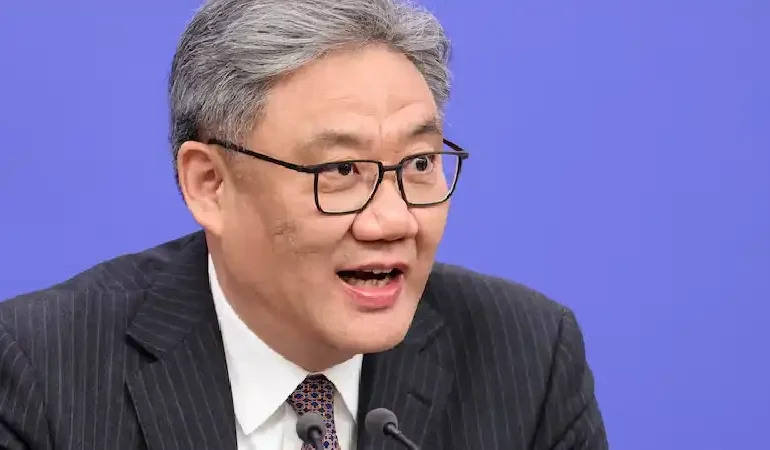
China’s Commerce Minister Wang Wentao has held high level discussions with senior executives from German industrial giants Volkswagen and Bosch, focusing on stabilizing economic ties and addressing trade challenges between China and the European Union. The meetings come at a time of heightened scrutiny over trade practices, regulatory differences and market access concerns, with both sides seeking to maintain cooperation despite rising tensions. The talks reflect Beijing’s effort to strengthen dialogue with key European stakeholders as global trade conditions become increasingly complex.
During the discussions, Chinese officials emphasized the importance of resolving trade frictions through consultation and constructive engagement rather than escalation. The focus on dialogue highlights a strategic approach aimed at preserving long term economic partnerships, particularly in sectors such as automotive manufacturing and industrial technology where cooperation remains significant. Volkswagen and Bosch, both deeply integrated into China’s industrial ecosystem, play a critical role in maintaining supply chains and supporting local production networks, making their involvement central to ongoing economic relations.
The meetings also underscore the broader importance of China Europe trade ties, which remain a key pillar of global commerce despite growing geopolitical and regulatory pressures. European companies have long viewed China as a major market and manufacturing base, while Chinese authorities continue to position the country as an open and attractive destination for foreign investment. However, recent policy changes and market concerns have introduced new challenges that require ongoing negotiation and adjustment from both sides.
In the automotive sector, cooperation between Chinese and European firms has been particularly significant, with joint ventures and technology partnerships shaping the development of electric vehicles and advanced manufacturing systems. Volkswagen has expanded its presence in China through strategic investments and localized production, while Bosch continues to supply key components and technologies across multiple industries. These collaborations highlight the interconnected nature of global supply chains, where disruptions or policy shifts can have wide ranging effects.
China’s emphasis on dialogue comes amid increasing regulatory scrutiny within the European Union, where policymakers are examining issues related to competition, subsidies and market access. These concerns have led to a more cautious approach toward trade engagement, prompting companies to navigate a more complex regulatory landscape. By engaging directly with major corporate stakeholders, China is seeking to address concerns at both the policy and operational levels, aiming to maintain stability in critical economic relationships.
The discussions also reflect a broader trend of governments working more closely with multinational companies to manage trade dynamics in an uncertain global environment. As businesses operate across multiple jurisdictions, their perspectives and experiences can influence policy decisions and help identify practical solutions to emerging challenges. This collaborative approach is becoming increasingly important as trade policies evolve in response to shifting economic priorities and geopolitical developments.
For China, maintaining strong ties with European industrial leaders is essential to sustaining growth and innovation across key sectors. Continued engagement with companies like Volkswagen and Bosch provides an opportunity to reinforce cooperation while addressing areas of concern. As global trade conditions remain fluid, such dialogues are expected to play a crucial role in shaping the future direction of China Europe economic relations and ensuring that both sides can adapt to a changing international landscape.