Hyundai targets China comeback with sales push as global expansion plans accelerate
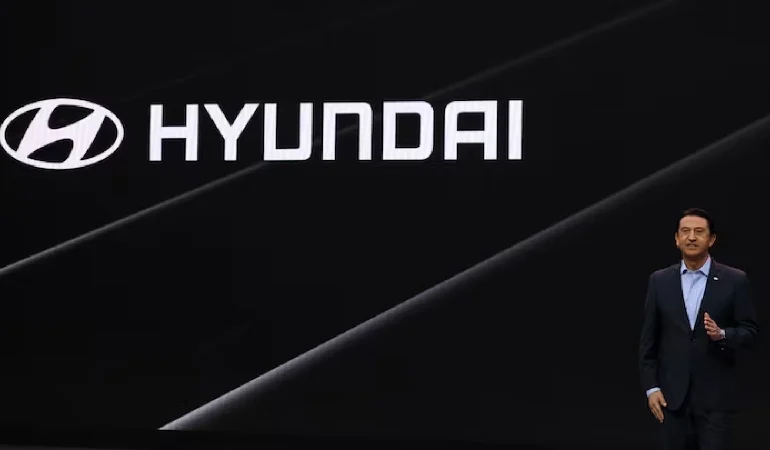
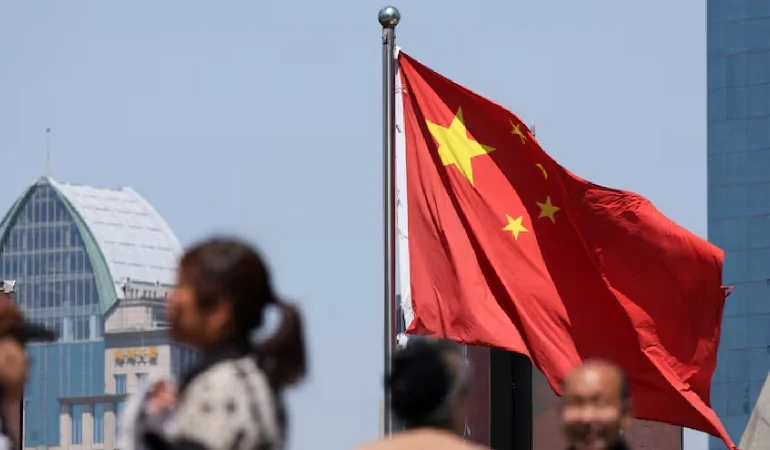
Hyundai Motor is ramping up its global strategy with a renewed focus on China while expanding its product lineup in North America, signaling a dual market approach aimed at boosting long term growth. The South Korean automaker said it plans to more than double its vehicle sales in China to reach around 500,000 units annually in the medium term. The move comes as international carmakers reassess their position in the highly competitive Chinese market, where local brands and electric vehicle leaders have rapidly gained ground in recent years.
The company’s plan reflects a broader effort to regain momentum in China, where foreign automakers have faced declining market share amid shifting consumer preferences and strong domestic competition. Hyundai aims to strengthen its presence by aligning product offerings with local demand, particularly in areas such as electric mobility and smart vehicle features. Industry analysts note that success in China increasingly depends on innovation, pricing strategy and the ability to integrate advanced technologies that resonate with tech savvy consumers.
At the same time, Hyundai is intensifying its expansion in North America, which it described as its most profitable region. The automaker plans to launch 36 new models by 2030, including electric, hybrid and internal combustion variants. This marks a significant increase from its current portfolio and reflects the company’s intention to capture a larger share of the evolving automotive market. The diversification of its lineup is expected to support demand across different customer segments while adapting to changing regulatory and environmental requirements.
The expansion strategy highlights how global automakers are balancing growth across mature and emerging markets. While North America offers strong profitability and stable demand, China remains critical due to its scale and influence on global automotive trends. Companies are increasingly adopting region specific approaches, tailoring products and strategies to meet local expectations. For Hyundai, this means investing in both innovation and market positioning to compete effectively in diverse environments.
The automotive industry is undergoing a period of transformation driven by electrification, digitalization and shifting consumer behavior. Automakers are investing heavily in new technologies, including battery systems, connectivity features and autonomous driving capabilities. Hyundai’s plan to introduce a broad range of models reflects this transition, as companies seek to offer flexible options that cater to varying preferences while preparing for stricter emissions standards and sustainability goals.
Market reaction to the announcement was cautious, with Hyundai’s shares declining slightly alongside broader market movements. Analysts suggest that while the strategy demonstrates ambition, execution will be key, particularly in China where competition remains intense. The company’s ability to differentiate its products and build stronger brand appeal will play a critical role in achieving its sales targets and restoring growth in the region.
As Hyundai moves forward with its expansion plans, the focus will remain on how effectively it can adapt to rapidly changing market dynamics. The combination of increased product launches and renewed efforts in China underscores the importance of strategic flexibility in the global automotive sector. With competition intensifying across all major markets, automakers are under pressure to innovate while maintaining profitability in an increasingly complex industry landscape.